Posted in Travel

13 Of The Most Breathtakingly Gorgeous Travel Quotes I’ve Ever Read

Inspiring travel quotes can help stir up the wanderlust everyone has inside of them! If you are looking for some travel quotes to read and share, here are 13 of the most breathtakingly gorgeous travel quotes I’ve ever read.

INSPIRING TRAVEL QUOTES

“If you want to travel, don’t learn what the world needs. Learn what makes you come alive, and go do it. Because what the world needs is people who have come alive.”

– Howard Thurman

The quote implies that living a fulfilling life benefits the world because people who are “alive” in this sense are likely to be more energetic, motivated, and engaged in their work and relationships. When genuinely engaged in our passions, we are more likely to impact the world around us positively.

assorted books on shelf - travel quotes relating to books.
Photo by Ivo Rainha on Pexels.com

“The world is a book, and those who do not travel read only one page.”

– Saint Augustine

This quote suggests that traveling and experiencing new cultures and places is vital for personal growth and understanding the world. It implies that those who do not travel miss out on learning about other people’s diverse cultures, perspectives, and experiences and only have a limited understanding of the world. Essentially, the quote encourages people to broaden their horizons and seek new experiences to understand the world better.

“To travel is to live.”

– Hans Christian Andersen

This quote means that traveling and experiencing new places and cultures is crucial to fulfilling life. It implies that through travel, one can truly experience and appreciate the world’s diversity, beauty, and all it has to offer. The quote says that traveling genuinely allows us to embrace all life offers.

silhouette of people jumping - travel quotes
Photo by vjapratama on Pexels.com

“A journey is best measured in friends rather than miles.”

– Tim Cahill

This quote suggests that the people you meet and your relationships while traveling are more important and meaningful than the distance you travel. It implies that the friendships and connections you make while on a journey make the experience valuable and memorable.

“There are many things in life that I don’t know, but I do know that I love to travel and I love to dream.”

– Audrey Hepburn

This quote suggests that traveling and dreaming are meaningful and enjoyable aspects of life. It implies that the speaker is open to new experiences and is curious about the world. In addition, the quote suggests that the speaker is unaware of many things in life but that traveling and dreaming provide an opportunity for adventure and excitement.

This is one of my favorite travel quotes because I can relate to it!

“Traveling is like flirting with life. It’s like saying, ‘I would stay and love you, but I have to go; this is my station.'”

– Lisa Stansfield

This quote suggests that traveling is a way to experience new things and explore the world. Still, it also requires a certain level of commitment and dedication. It implies that travel is a way to engage with life and try new things, but it also requires some detachment and the willingness to move on to new experiences. The quote also suggests that traveling is a way to test the boundaries of one’s capabilities and to grow as a person.

“I believe that travel should be a means of broadening the mind and spirit, not just exploring new places.”

– Cherie Blair

This quote suggests that the purpose of travel is to expand one’s horizons and to open oneself up to new ideas and experiences. It implies that travel is a way to gain a broader understanding of the world and grow. The quote suggests that the true value of travel lies in the personal growth and understanding that it can bring rather than just visiting new places for the sake of exploration.

“You don’t have a soul. You are a soul. You have a body.”

– C.S Lewis

This quote suggests that a person’s essence or being is not their physical body but their soul or spirit. It implies that the body is simply a vessel or container for the soul and that the soul is a person’s true identity. The quote suggests that focusing on and nurturing the soul is essential rather than just the physical body.

“Travel is the only thing you buy that makes you richer.”

— Anthony Bourdain

This quote suggests that the experience of traveling is valuable and enriching in a way that material possessions cannot be. It implies that travel can expand one’s horizons, broaden one’s understanding of the world, and create lasting memories and personal growth. The quote says that the benefits and experiences gained from travel are more valuable and meaningful than any material goods one could purchase.

For me, this rings true every time I have the opportunity to visit somewhere new. That is why this is one of the best travel quotes!

low angle photo of building staircase
Photo by Ricardo Esquivel on Pexels.com

“A journey of a thousand miles begins with a single step.”

— Lao Tzu

This quote is a metaphor for the idea that any significant undertaking or goal requires careful planning and sustained effort. Through a series of small steps, no matter how difficult the goal may seem, one can achieve it with perseverance and determination.

“Traveling teaches tolerance. You see things that are different from your own culture and you become more open-minded.”

― Audrey Hepburn

This quote suggests that the experience of traveling and encountering different cultures can broaden one’s perspective and increase understanding and tolerance of others. It implies that exposure to different ways of life and customs makes a person more open-minded and accepting of differences. The quote says that travel can teach us to be more understanding and accepting of others and their different ways of life.

“Your body is your journal, and your lifestyle is your story. Be mindful of it.”

-Maya Angelou

This quote suggests that our actions and habits are a reflection of who we are and how we choose to live our lives. Our bodies and lifestyles are like a record of our choices and experiences; we must be aware of and mindful of how our actions impact others and ourselves. The quote encourages self-awareness and mindfulness, suggesting that it is vital to consider the long-term effects of our choices on our bodies and lifestyles.

So think about how this impacts traveling and your own journey!

“I love those who yearn for faraway places and dream of touching the sky.”

-Jorge Luis Borges

This quote suggests that there is something special and admirable about people who desire to explore new places and cultures and dream of reaching their goals and aspirations. It implies something unique and inspiring about individuals driven by a sense of curiosity and a desire to see and experience more of the world.


Posted in Mindset

2023: 5 Guidelines to Live By

Guest Post by Lauryn Woodman

Instructional Designer, Educator, Accessibility Advocate


The Inspiration

I watched this video a few days before the New Year. I recommend you watch it, too.

To summarize for those of you who aren’t link clickers, it’s basically Rob Dyrdek saying that he never wants to get to a “reactive” place in 2023, and explaining that doing so will require a high level of discipline. My podcast preferences tend to lean more towards True Crime than privileged men spouting “motivational” buzzwords, but this one spoke to me. Scrolling through the comments, I saw many who interpreted Rob’s message as needing to work harder, grind harder, and go bigger. What I got out of it was so different. And it’s shaped my goal for 2023:

The Goal

In 2023, I never want to get to that low, terrible, reactive place. 

The Guidelines

And to do so, will require discipline. Here are 5 guidelines I’ve set for how I plan to live my life in 2023.

5 in a vase
Photo by Nataliya Vaitkevich on Pexels.com
  1. In 2023, I will be respectful of my own boundaries. I will not stretch myself beyond my capacity to accommodate the desires of others. I’ll give myself the grace to say no and not feel guilty. I will indulge in rest when rest is needed. 
  2. In 2023, I will not allow others’ energy to influence my own. I tend to take on other people’s stress, their drama, and even their emotions. This year, I will hold space for my own energy, and no one else’s.
  3. In 2023, I will live freely. With no strings, no bonds, and without allowing outside forces to shape the direction of my life. I will go with the flow.
  4. In 2023, I will enjoy the journey. Whether I feel I am “on track” or not, I will know that each twist and turn in my life is leading me to exactly where I need to be, when I need to be there. 
  5. In 2023, I will enjoy the small moments, I will find joy in quiet moments with friends. See the value in the quiet nights in as much as the once-in-a-lifetime moments I will inevitably experience. I will live each day fully in the moment, no matter where the day takes me, realizing that each experience, no matter how mundane, is a gift.

selective focus photo of green plant seedling on tree trunk
Photo by David Alberto Carmona Coto on Pexels.com

I know that some of these guidelines might seem hokey or even unattainable. Or maybe to you, they sound obvious. But I know how I feel and how I act when I allow myself to get caught up in what I “think” I should be doing, or how I “think” I should be living. I know that I’ve allowed myself to get caught up in unnecessary drama from outside forces that has actually shaped the direction of my life and how I live. And I know that when I am that person, living that life, I am unhappy, unsettled, and unmotivated. I deserve a chance to live my best life, and I plan to do that in 2023.

I hope that all of you can find guidelines important to you and refocus your life in 2023 so that you can live the best life that you are capable of this year.

Posted in Goal

5 Steps to Goal Setting Success: Achieving Your Dreams One Task at a Time

Goal setting and achieving goals is essential for personal and professional growth. It allows you to take control of your life and focus on what matters most to you. Whether you want to improve your health, advance your career, or simply live a more fulfilling life, setting and achieving your goals can help you make it happen.

But how do you go about setting and achieving your goals? It can be intimidating to take on new challenges, especially if you’re not sure where to start. That’s where goal setting comes in. By setting clear and specific goals, you can break down your larger aspirations into smaller, achievable tasks, and work towards success one step at a time.

So, if you’re ready to turn your dreams into reality, read on for some tips on setting and achieving your goals.

person holding white ceramci be happy painted mug. They are goal setting.
Photo by Lisa Fotios on Pexels.com

Here are some tips for setting and achieving your goals:

Make your goals SMART: Specific, Measurable, Attainable, Relevant, and Time-bound. This ensures that your goals are clear and realistic and gives you a way to measure your progress.

  • Specific: Clearly define what you want to achieve.
  • Measurable: Set goals that can be quantified so that you can track your progress.
  • Attainable: Set realistic and achievable goals, given your resources and constraints.
  • Relevant: Set goals that are meaningful and aligned with your values and long-term objectives.
  • Time-bound: Set a specific timeline for achieving your goals, with intermediate deadlines along the way.

Break your goals down into smaller, achievable tasks. This makes it easier to focus on one task at a time and helps you make progress towards your larger goals.

  • Create a to-do list or action plan with the specific steps you need to take to achieve your goal.
  • Set deadlines for each task and track your progress.
  • Prioritize tasks based on their importance and potential impact.

Set deadlines for yourself. This will help you stay motivated and focused on your goals, as you’ll have a sense of urgency to get things done.

  • Determine a realistic timeline for achieving your goals, with intermediate deadlines along the way.
  • Set reminders or alarms to help you stay on track.
  • Consider using a goal-tracking app or software to help you manage your goals and deadlines.

Get accountability. Share your goals with a friend or mentor, or join a support group or community where you can get feedback and encouragement.

  • Choose someone supportive and understanding but also willing to hold you accountable for your actions.
  • Consider hiring a coach or mentor to help you stay on track and achieve your goals.
  • Join a group or community of like-minded individuals working towards similar goals.

Celebrate your progress. It’s important to acknowledge and celebrate your achievements along the way, as this will help you stay motivated and focused on your goals.

  • Set small rewards or incentives for yourself when you reach certain milestones or complete vital tasks.
  • Share your progress with friends and family, or post updates on social media.
  • Take a moment to reflect on your accomplishments and how far you’ve come.

Goal setting for success

Goal setting is crucial to personal and professional development. By setting SMART goals, breaking them down into smaller tasks, setting deadlines, getting accountability, and celebrating your progress, you’ll be well on your way to achieving your goals and reaching success. 

trees under milky way. Goal setting is shooting for the stars
Photo by Matthew Ang on Pexels.com

Remember, the journey towards your goals may not always be easy, but it is always worth it. As you work towards achieving your goals, keep in mind the words of motivational speaker Les Brown:

“Shoot for the moon. Even if you miss, you’ll land among the stars.”

-Les Brown

Don’t be afraid to aim high and dream big. With hard work, determination, and a solid plan in place, you can achieve anything you set your mind to.

Posted in Goal, Manifestation, Mindset

10 Simple Ways to Increase Your Gratitude Practice in the New Year

New years are a great time to examine your gratitude practice. As we look ahead, many of us may be thinking about ways to improve our lives and cultivate positive habits. One practice that can have a significant impact on our well-being is gratitude. Studies have shown that cultivating gratitude can lead to increased feelings of happiness and well-being, improved sleep and physical health, and stronger relationships.

photo of person holding cup and reading a journal for gratitude practice.

So, how can we increase our gratitude practice in the new year?

10 ways to increase your gratitude practice

  1. Keep a gratitude journal. One of the easiest and most effective ways to practice gratitude is to keep a journal. Start or end each day by writing down three things you are grateful for. They can be big or small, but actively thinking about and recording what you are thankful for can help shift your focus to the positive aspects of your life.
  2. Practice mindfulness. Paying attention to the present moment can help us appreciate the little things we might otherwise overlook. Take time to savor your meals, notice the beauty in nature, and appreciate the people around you. Develop a sense of gratitude by incorporating mindfulness practices like meditation and yoga into your daily routine.
  3. Express gratitude to others. Saying “thank you” can go a long way in strengthening relationships and making others feel appreciated. Consider writing thank-you notes to those in your life who have made a positive impact or simply taking a moment to express your appreciation to someone in person.
  4. Perform acts of kindness. Helping others can make a difference in their lives and bring us a sense of purpose and fulfillment. Consider volunteering your time or doing small acts of kindness for those around you. These acts of generosity can help us feel grateful for our lives abundance.
  5. Reflect on the things you have. Getting caught up in wanting more is easy, but taking time to reflect on the things you already have can help you appreciate what you have. Consider making a list of the things you are grateful for and refer back to it when you are feeling down or stressed.
  6. Practice gratitude in difficult times. It can be tough to feel grateful when things aren’t going well but finding even small things to be thankful for can help us find hope and perspective. For example, if you are going through a tough time, you might be grateful for the support of friends and family or the fact that you have a roof over your head.
  7. Find the silver lining. When faced with a challenge or difficult situation, try to find something positive. For example, if you get stuck in traffic, you might be grateful for the opportunity to listen to a new podcast or enjoy the scenery.
  8. Gratitude practice should be part of your daily routine. Try incorporating it into your daily routine to make your gratitude practice more sustainable. For example, start your day with a gratitude meditation or end your day by writing down three things you are grateful for.
  9. Share your gratitude with others. Sharing your gratitude with others can help you feel more connected and inspire those around you to practice gratitude. Consider sharing your gratitude with a friend or family member or posting about it on social media.
  10. Don’t be too hard on yourself. Cultivating gratitude is a practice, and it takes time and effort. Don’t get too caught up in “doing it right” or feeling guilty if you don’t feel grateful all the time. Remember that it’s a journey, and allow yourself to have ups and downs. 
man facing road thinking about gratitude practice ideas.
Photo by Sharefaith on Pexels.com

Why should we include gratitude practice in our lives?

Gratitude is a powerful practice that can significantly impact our well-being and relationships. It is possible to shift our focus from the negative aspects of our lives to the positive aspects, cultivate feelings of contentment and happiness, and strengthen our relationships through gratitude. While cultivating gratitude takes effort and practice, the benefits are well worth it. Consider incorporating some tips and suggestions above into your daily routine. See how gratitude can transform your perspective and bring more joy into your life.

Posted in Goal, Manifestation, Mindset

10 Positive Ways to End the Year

Just some food for thought

pancake with sliced strawberry
Photo by Ash on Pexels.com
  1. Reflect on the year’s accomplishments and challenges. This can help you identify areas where you made progress and areas where you can improve.
  2. Set new goals for the coming year. This can give you something to work towards and help you stay motivated and focused.
  3. Spend time with loved ones. Whether a family dinner or a virtual hangout with friends, connecting with the people you care about can bring joy and positivity.
  4. Practice gratitude. Take some time to think about the things you are grateful for. Write them down or share them with someone else.
  5. Give back to your community. Whether volunteering your time or making a charitable donation, helping others can bring a sense of purpose and fulfillment.
  6. Take care of yourself. Ensure you get enough sleep, eat well, and engage in activities that bring you joy and relaxation.
  7. Get organized. Start the new year on the right foot by decluttering and getting your home and workspaces in order.
  8. Reflect on your personal and professional growth. Take stock of the skills and knowledge you have gained over the past year and consider what you want to learn or achieve in the future.
  9. Practice self-care. Treat yourself to a massage, a bubble bath, or a fun activity that allows you to relax and recharge.
  10. Plan a special activity or trip for the coming year. Having something to look forward to can bring excitement and positivity to the present moment.
Posted in Goal, Manifestation, Mindset

9 Helpful Manifestation techniques for beginners

Are you looking for manifestation techniques for beginners? Look no further because I’ve compiled some tips for starting manifestation. I’ve been using manifestation for almost two years and continue learning more about it each and every day.

But, I’m not here to gate keep and I want to share these manifestation techniques for beginners with you so you can get started on this journey as well.

I am ready to transform my life, and I know you are too!

I’m sure you’ve heard of manifestation techniques by now, but if you’re new to the game and wondering how they work—or if you’ve tried them before and want to improve your results—this guide is for you. Manifestation techniques are effective ways to visualize your goals and improve your life. They can even help with physical health issues. The point is that these techniques have been around for ages, so they’ve stood the test of time (and are still effective) because they work!

Disclaimer: I’m not an expert (YET!) so that is why I am sharing manifestation techniques for beginners.

photo of assorted letter board quote hanged on wall that are part of manifestation techniques for beginners
Photo by Mikechie Esparagoza on Pexels.com

Make a vision board

A vision board is a collage of photos, images, and words representing what you want to achieve. It can be something as simple as putting together a few images from magazines on poster board or more elaborate—a large collage with handmade elements and quotes. Whatever method you choose, the key is to make sure your vision board has the things that matter most to you in life. You might include photos of places you’d like to travel to or loved ones who inspire your goals. You might also want to include affirmations (positive messages) or inspirational quotes that remind you why achieving your goal matters so much.

How do vision boards work? It’s all about how our brains process information—”encoding.” Our brains tend to encode images more powerfully than words because they’re visual cues and auditory ones (hearing someone speak).

Set affirmations

To use affirmations, you need to identify what you want. Then, write down or speak aloud a positive statement about this goal. Affirmations can be spoken or written; however, they should be specific and present tense (as if you already have what you want).

In addition to saying an affirmation out loud or writing it down on paper, repeating them regularly will help them sink in more deeply and hold your subconscious mind accountable for manifesting that desire. If the affirmation isn’t realistic and achievable, wait to set it as your intention!

Write down your goals and achievements

  • Write down your goals. The first step to achieving any goal is clearly defining what that goal looks like in the present tense. For example, instead of writing “I want a new car,” write “I am driving my new car.” Doing this will help you visualize what your life will be like when you’ve achieved that goal.
  • Write down your achievements. Keep a journal or create an achievement board where you can post pictures of things that have happened since you started manifesting (for example, buying tickets to a concert). Instead of saying, “I manifested this amazing thing,” say, “I manifested two tickets for my favorite band’s upcoming show at [insert venue name]. That way, there is no question about exactly what happened!
woman sitting on car under gray sky using manifestation techniques for beginners
Photo by Andrea Piacquadio on Pexels.com

Visualize your future

Visualizing your future is an essential part of manifesting. And it’s one of the best manifestation techniques for beginners.

To visualize your future, start with a general idea of what you want to achieve. Is it financial freedom? A loving relationship? The perfect home? Once you have a goal in mind, imagine yourself achieving this goal through what’s called “manifestation visualization.” Manifestation visualization involves imagining yourself having already achieved what you want most. You can do this by closing your eyes and seeing yourself living out this new reality as if it were a movie playing inside of your mind.

Visualizations like this can help raise your vibration (vibration refers to how much energy flows through a person) so that when opportunities arise for achieving these goals, you’ll be able to grasp them before anyone else!

Read inspirational quotes

  • Read inspirational quotes.
  • Listen to motivational speeches or podcasts.
  • Learn about other people’s success stories, especially in areas that interest you.

Stay positive

Stay positive. The way you think about yourself and your life can change the results you get. If you’re feeling down, write in a journal or talk to someone who makes you feel good—yourself or another person is great, but try not to compare yourself with others.

You are valuable and worthy, just as you are right now! Be grateful for what you have right now, no matter how small it might seem. Don’t worry so much about what other people think—it’s hard enough to be happy with yourself without putting pressure on yourself because of other people’s opinions!

Don’t be afraid to fail; failure is an integral part of success (and often leads straight into it).

Speak positively to yourself with “I am” statements

You’ll need to be in a positive mindset to make your desires come true. There are several methods of doing this, but “positive self-talk” is the most effective way. Do this by speaking positively about yourself and your situation. You should use “I am” statements instead of “I am not” statements (e.g., “I am happy right now” vs “I am not sad right now”).

Examples of positive “I am” statements include:

  • I am confident!
  • I love myself!
  • I know exactly what I want in life!

These are easy to implement manifestation techniques for beginners!

Start the day right

  • Wake up!
  • Get a good night’s sleep!
  • Make your bed!
  • Have a healthy breakfast!
  • Do some light exercise! (You don’t have to go crazy here, stretch your muscles and get the blood flowing.)
  • Meditate for at least five minutes before you start your day.

Surround yourself with good people

To achieve your goals, you need to surround yourself with people who believe in you. Surrounding yourself with good people will help you stay on track and achieve your goals.

A negative friend or family member can quickly derail your plans by discouraging you from taking action and telling you that it’s not worth it anyway.

The same goes for social media; if someone is constantly posting negative memes or complaining about their life situation, this can also be detrimental to your mindset.

Manifestation techniques for beginners are effective ways to visualize your goals and improve your life

These tools can help you succeed in life, whether personally or professionally. There are many types of manifestation techniques, but some of the most popular ones include using affirmations, visualization, “I am” statements and inspirational quotes. The power of positive thinking is another excellent manifestation technique that many people have used before you! 

With all of these techniques, you can improve your life and achieve the things you’ve always wanted. I believe in you!

Posted in Goal, Manifestation, Mindset

10 Self-Growth Ideas: Be More Creative & Not Afraid To Fail

person holding clear glass jar with green plant. Self-growth ideas symbolization
Photo by Kindel Media on Pexels.com

Self-growth ideas are actionable items you can do in your daily life that will help you improve yourself in some way.

Personal development should be something other than something you do when you’re having a hard time. It would help if you always worked on it, even when things are going great.

Here are ten self-growth ideas to help you become more creative and not afraid to fail while increasing your self-growth.

Self-growth ideas

  1. Practice mindfulness.
    Mindfulness is focusing on the present moment. It’s also accepting it without judgment. It can help you reduce stress, improve concentration, and increase self-awareness. Try to incorporate mindfulness into your daily routine by setting aside time for meditation or paying more attention to your thoughts and feelings.
  2. Set goals and track progress.
    One of the best ways for self-growth and improvement is to have specific goals in mind and to regularly track your progress towards achieving them. Tracking progress helps you stay motivated and focused and gives you a sense of accomplishment as you move closer to your goals.
  3. Learn new skills.
    Whether it’s a new language, a musical instrument, or a new hobby, learning new skills can help you grow and expand your horizons. It can also boost your confidence and open up new personal and professional growth opportunities.
  4. Surround yourself with positive people.
    The people you spend time with can significantly impact your thoughts and actions. Surrounding yourself with positive, supportive people can help you stay motivated and focused on your goals and provide valuable guidance and advice.
  5. Explore your interests and passions.
    We all have unique interests and passions that make us who we are. Take time to explore yours, whether it’s through reading, writing, traveling, or any other activity that brings you joy and fulfillment. Exploring interests and passions can help you discover new things about yourself and provide a sense of meaning and purpose.
  6. Take risks and try new things.
    Growth often requires stepping out of your comfort zone and trying new things. Anything new and different can be scary, but it can also be gratifying. Taking risks and trying new things is a great way to learn and grow, whether learning a new hobby or taking on a challenging project.
  7. Be open to feedback and criticism.
    No one is perfect, and we can all benefit from constructive feedback and criticism. Be open to hearing what others say, even if it’s not always positive. Use this feedback to identify improvement areas and continue growing and evolving.
  8. Invest in your personal development.
    Personal development is an ongoing process, and investing in yourself and your growth is essential. Some self-growth ideas include attending workshops or classes, hiring a coach or mentor, or setting aside time each day to focus on your personal growth.
  9. Take time for self-reflection.
    Self-reflection is an integral part of personal growth. Reflecting regularly on your thoughts, feelings, and actions can help you gain a deeper understanding of yourself and your behavior and identify areas for improvement and growth.
    10. Start a daily journaling practice.
    Journaling allows you to reflect on your thoughts and emotions, track your progress, and set goals for personal growth.
diary girl hand journal writing self-growth ideas
Photo by Pixabay on Pexels.com

It’s important to learn from failure, especially when you’re a creative person. If you don’t push the boundaries of your comfort zone, you’ll never do any better than the status quo. The last takeaway here is to have fun with your creativity. Don’t be afraid to mess up—what seems like a failure might lead to something incredible. There are countless examples of failure leading to great success. The opportunity will pass you by if you never venture out into the unknown.

Celebrate your successes, big and small, and learn from your mistakes. Be kind to yourself, learn from failure, and stay motivated to continue growing and improving. 

Posted in Goal, Manifestation, Mindset

100 Interesting Things To Add To Your Life Goals List If You’re Out Of Ideas

Has your life goals list lost some of its steam? Here are 100 ideas that can help you get started again.

And if you still need to start a life goals list, you’re missing out on something big. Your future self will thank you for writing them down and setting them in motion.

In high school, one of my teachers had us write down 100 goals, no matter how outlandish. It can be fun to come up with new ideas!

parachuters on air - skydiving is something you can put on your life goals list
Photo by Pixabay on Pexels.com

Why Should You Make a Life Goals List?

If you’re anything like me, you always search for new goals to add to your life. It’s not that I’m not happy with my life, but I like to keep things fresh and exciting.

And there are several reasons why you should make a life goals list. Here are some of the best ones:

  1. Get clarity about what you want out of life.
  2. Be inspired and motivated to achieve your dreams and goals.
  3. Set yourself up for success by making time for work, play and self-care in your schedule.
  4. Create a plan for what needs to be done before achieving each goal (step-by-step approach).
  5. Practice gratitude daily for what you already have (positive mindset).
  6. Make sure you’re living a balanced lifestyle by adding things that make you happy, healthy, wealthy and wise (balance is key!).

Now let’s get started!

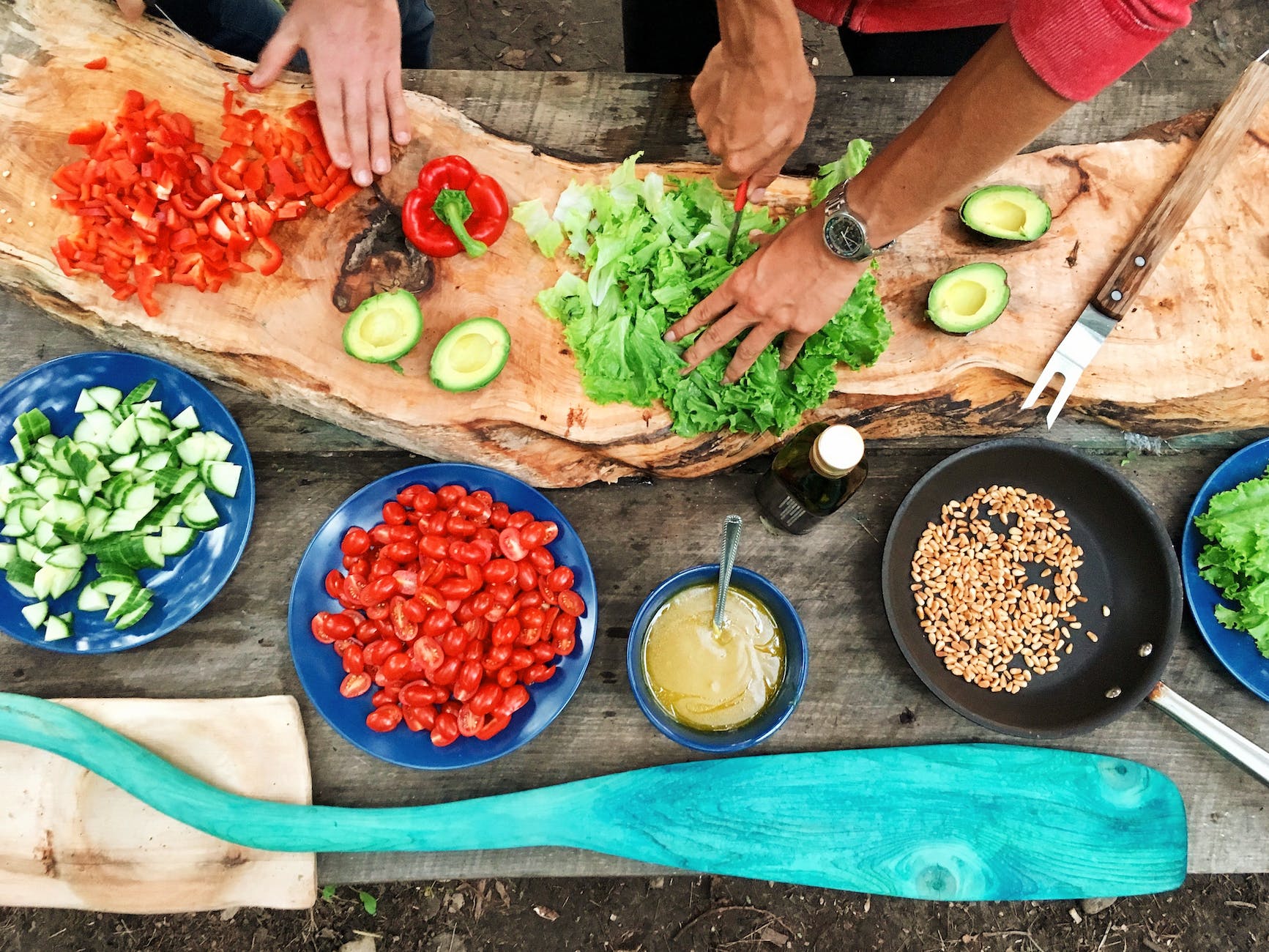
person slicing vegetables. A cooking class is something you can add to your life goals list.
Photo by Maarten van den Heuvel on Pexels.com
  1.  Be more active
  2.  Learn how to cook healthy and delicious meals
  3.  Start a business
  4.  Read more books and blog posts each week
  5.  Write every day (even if it’s just one sentence)
  6.  Do one thing for yourself every day
  7.  Stop procrastinating 
  8.  Make a vision board with pictures of your dreams and goals for the future
  9.  Be more grateful for all you have in life now
  10.  Learn something new. This could be anything from learning a foreign language to mastering a musical instrument
  11. Take up a hobby you’ve always wanted to try but didn’t have the time or money for yet
  12. Travel somewhere new and exciting (preferably somewhere off the beaten track).
  13.  Go on holiday with your friends or family – as long as it’s not just another weekend break!
  14.  Read a book every month
  15.  Cook dinner at least three times a week
  16. Take up a new sport or hobby
  17. Run a marathon or other race
  18. Visit another country (or several!)
  19. Learn how to speak another language fluently
  20. Learn how to code or program computers
  21. Teach yourself how to play an instrument (or several)
  22. Read 100 books in one year (or whatever number feels achievable!)
  23. Volunteer at an animal shelter or rescue organization for a week or more
  24. Go to yoga classes more often than once a month
  25. Try a new restaurant every month (or week!)
  26. Find time for reading every day (even if it’s just 15 minutes)
  27. Get better at using chopsticks (or learn how to use them)
  28. Take up knitting or crocheting (or both)
  29. Watch an old movie from your childhood that you’ve never seen before (and watch it with someone else who hasn’t seen it before either)
  30. Join an improv theater group, or start one at your school or workplace! Improv is great fun and helps with communication skills, creativity and teamwork — not to mention confidence and self-esteem!
  31. Make friends with someone new
  32. Completely redecorate your apartment/home office
  33. Spend a weekend without any electronics — no TV, computer, or phone — just time with people and nature (or whatever else brings you joy)
  34. Have one day per week when you don’t check email or social media during the day; be present with whatever needs attention at the moment (and then catch up later)
  35. Save money each month
  36. Travel to all 50 states in America
  37. Buy a high-end camera and learn how to use it well enough that you could make money with it someday (I want to make videos for my blog!)
  38. Start writing fiction stories and finish at least one novel before you die (maybe even publish it!)
  39. Learn to play the guitar
  40. Take a salsa class
  41. Get a pet fish
  42. Bake a cake from scratch
  43. Write a song and record it
  44. Learn how to do your nails with nail art designs (I have always wanted this skill!)
  45. Draw and paint with watercolors
  46. Learn how to ride horseback
  47. Learn to make soap and candles, or do it yourself at home!
  48. Get better at public speaking or storytelling.
  49. Skydive over the Grand Canyon, then hike and spend the night in it
  50. Take a class in something you’ve always wanted to learn — woodworking, cooking, sewing — anything!
  51. Go bungee jumping
  52. Create a bucket list of places you want to visit in your lifetime
  53. Learn how to juggle
  54. Go camping in the woods for the weekend (or longer).
  55. Watch all your favorite movies with someone who’s never seen them, and then talk about them afterwards!
  56. Write down all of your fears, then ask someone else what their biggest fears are (and see if there’s any overlap between yours!). Then try coming up with solutions for how you might overcome those fears!
  57. Learn to play the piano
  58. Stop drinking soda once and for all
  59. Go on an adventure every year (whether it’s hiking through Europe or just taking the train somewhere)
  60. Learn how to use Adobe Illustrator and Photoshop
  61. Get your finances in order (budgeting, debt payoff, savings, etc.)
  62. Write letters to people you love and send them by snail mail instead of email
  63. Organize your home office so that it’s more functional for you working from home (if that’s what you do)
  64. Donate money to charities at least once per month (even if it’s just $5)
  65. See a Broadway show in New York City
  66. See the Grand Canyon and Hoover Dam on a road trip through Arizona and Nevada (or any other state you can think of)
  67. Make it a priority to learn more about your family history by talking with relatives or looking through old photos and documents
  68. Get published in a magazine or newspaper
  69. Write a book of poetry or short stories (even if you don’t want it published)
  70. Get a library card
  71. Learn to cook at least one new recipe every week
  72. Watch every movie Quentin Tarantino has ever directed, written or produced
  73. Learn how to fly a plane
  74. Learn how to drive a stick shift (and do it!)
  75. Don’t buy anything for a year (except maybe food and necessities)
  76. Go on a cruise ship vacation
  77. Take a road trip with friends or family members who don’t live near you now — or who you haven’t seen much lately
  78. Build something from scratch (a cabinet or chair, for example)
  79. Organize an event at your local library, school or community center (like a book club or movie screening)
  80. Learn how to surf, skateboard, or snowboard
  81. Wear something outrageous in public just because it makes you happy!
  82. Make a budget and stick to it for three months straight – who knows? Maybe you’ll keep with it!
  83. Become a better listener
  84. Take more walks
  85. Make a bucket list of all the places you want to go before you die, and start crossing them off as you go along!
  86. Try something new that scares you every day for 30 days straight (e.g., public speaking)
  87. Write a letter to your future self and put it in a time capsule (or post it on social media)
  88. Sleep under the stars by a body of water or wherever there’s no light pollution so you can see constellations clearly
  89. Write yourself notes and put them somewhere where you’ll find them later when you need the reminder
  90. Go outside every day (or week)
  91. Get a tattoo of a word or phrase that inspires you – I have one that says enough!
  92. Host an evening at home with friends where everyone brings food they’ve cooked themselves and teaches others how to make it as well
  93. Get rid of stuff cluttering up your life and making it harder for you to focus on what’s important — clothes, furniture, knick-knacks etc
  94. Learn how to make homemade pasta from scratch
  95. Take an art class like painting or drawing or sculpting or pottery 
  96. Go on a silent retreat for peace and reflection
  97. Make a collage with pictures from magazines
  98. Get certified in CPR/First Aid/AED training
  99. Create your own board game or card game (and play it with friends)
  100. Write down something you are thankful for every night before bed

How do you know if your life goals list is complete?

The simple answer is that it’s never complete. The more complicated answer is that it’s never complete.

Life is a journey that requires constant updating, and we’re always adding new things to our life goals list as we go along.

One of the best ways to keep your life goals list growing and moving is to take advantage of the ideas that you’ve found. Look at your goals list each month and see if there’s an item or two you want to add. Grab those ideas for inspiration and use them to add new and exciting items to your life goals list.

Posted in Goal, Mindset

3 Steps to Reach your Personal Growth Goals

So you want to improve your personal growth goals?

Set your mind to it and achieve it! What will you achieve with the right set of tools, strategies, and tactics?

I’ve been on this journey explicitly for several years now and I’m constantly looking for ways to grow and evolve as a person.

Whether you call it personal growth goals, career or life goals, or some other variation of the phrase here are a few steps to help you reach your goal.

Define what you mean by “Personal Growth”

“Personal growth” is a broad term that encompasses many things. It can mean learning new skills, developing new habits and improving your relationships. The first step to achieving your own personal growth goals is to understand what you mean by “personal growth.” Personal growth means different things to different people, so it’s important to set some parameters for yourself.

Defining what you mean by “personal growth goals” will help you decide on the right steps to take in order to achieve your goals.

person arranging pot plant. Possible way to reach personal growth goals.
Photo by Valeria Ushakova on Pexels.com

Personal growth goals are the best way to ensure that you are always moving forward in life. The secret to success is to set goals that can be achieved and then reach them.

First, identify your values. Why do you want to grow? What do you value? What are the most important things in life? Once you’ve identified these values, then ask yourself how those values impact your behavior or actions. For example, if one of your values is honesty but you’re always lying about something or someone then maybe it’s time for some self-reflection or improvement!

What do you want to achieve? This may seem obvious, but it’s important to really think about why you’re doing this. Do you want more friends? More confidence? To feel more fulfilled at work? Or maybe all of those things combined?

Why do you want this? What’s driving it for you? Is it something that’s been on your mind for a long time, or something that came up recently? How does achieving this goal fit into the bigger picture of your life?

How will achieving this goal change your life? Once you know what you want and why, try to envision how achieving your goal will change things for the better. For example, will making new friends give me more fun opportunities outside of work? Will being more confident at work help me advance faster with my career goals?

Identify the steps that are necessary to reach those goals

In order to reach your goals, you need to have a plan of action that will help you achieve what you want. This plan of action should include the following:

Identify the steps that are necessary to reach those goals.

Break down each step into smaller tasks or sub-goals that can be achieved within a certain time frame. This way, your goal will be more manageable and less intimidating.

Set deadlines for each task or sub-goal so that you know when something needs to get done by in order to keep moving forward on your plan of action.

Use the SMARTER goal-setting model to create your personal growth goals

If you’re trying to reach a goal of any kind including personal growth goals, you’ll want to make sure it’s a good one. That means it should be Specific, Measurable, Attainable, Realistic, Time-bound (SMART), and then be able to Evaluate and Reward/Revise (ER).
The SMARTER goal-setting model is a great tool to help you create effective goals. It stands for:

Specific – Be clear and focused on the outcome of your goal.

Measurable – Have a way to track success.

Attainable – Make sure it’s something that can be achieved within a reasonable time frame.

Relevant – Make sure it aligns with your values and interests.

Time-bound – Set a deadline for when you want to achieve your goal.

Evaluate – Choose how you will know if you met your goal.

Reward/revise – What will you get at the end or how will you change it?

Review your progress and make adjustments as needed

man looking through documents at workplace. Step in reaching your personal growth goals.
Photo by Michael Burrows on Pexels.com

Review and adjust as needed: Review what has worked so far and make adjustments as needed based on new information or feedback from others who support this goal with you (such as friends or family).

If you’re feeling frustrated or discouraged, it’s important to recognize that these feelings are normal. You can’t expect to reach your goal overnight — or in a week or month. Change takes time!

You may need to make adjustments along the way, such as changing your plan if something doesn’t work out well or finding new ways to reach your goal if your old ones aren’t working. Don’t be afraid to experiment and revise your plan as needed!

The best way to grow is to intentionally make changes in your life

Setting personal growth goals is one of the most direct and effective ways to help you reach your potential. They provide direction for your future and motivation for your present and give you a way to measure your progress. There is no one-size-fits-all template for accomplishing a goal, but it’s reasonable to assume that almost anything will be difficult at first. This difficulty is what helps push you to improve; what helps make you genuinely grow as a person.

Hopefully, I’ve given you three simple steps to get you started on one of your first personal growth goals. If you’re already in the practice of setting goals, you may want to try some new techniques. And if a lack of confidence has made it harder for you to achieve your goals over the past year, then I hope that this list of techniques will help remind you how important your goals are.

Posted in Goal, Manifestation, Mindset

Why Gratitude Is The Most Powerful Tool In The World

Gratitude is the most powerful tool

Gratitude is the most powerful tool: What it is

The word gratitude can be defined as the feeling of appreciation or thankfulness. It’s a powerful emotion that can help you manifest your dreams. Gratitude is what you feel when you realize how far you have come and how much you have to be thankful for.

But what exactly is gratitude?

Gratitude is the appreciation of something, often expressed as an acknowledgement of the benefits received. It is a feeling of thankfulness and appreciation for what one has and/or what one does not yet have but deserves.

photo of women hugging each other because gratitude is the most powerful tool.
Photo by Anna Shvets on Pexels.com

Gratitude is the most powerful tool: How to use it

According to some research, gratitude makes people happier and healthier. In fact, one study found that people who practice gratitude are more likely to sleep better and have lower levels of stress and depression.

To help you get started on this powerful journey towards happiness and fulfilment, here are three ways to use gratitude:

1. Write down three things you’re grateful for each day. This technique is called “Three good things” or “Three blessings.” It’s simple, easy to do, and has been proven effective over time.

2. Keep a gratitude journal where you write down all the things that make you happy on a daily basis — whether they’re big or small, material or spiritual — so that you can reread them whenever needed during your day-to-day life.

3. Send a thank-you note or email to someone who has impacted your life in a positive way — because they influenced who you are today and made you who you are now (even if it wasn’t intentional).

Gratitude is the most powerful tool: Why it works so well

Gratitude is a powerful tool. We all know this. But why?

It’s not just because it makes us feel good, although that’s part of it. It’s because gratitude changes the way we see ourselves and the world around us.

Gratitude changes our perspective and makes us more optimistic about our future. It can lead to greater happiness and satisfaction with life in general.

But perhaps most importantly, gratitude is what helps us connect with others and build strong relationships with them — which is key for happiness and well-being in life.

Takeaway: Gratitude can be a tool that changes your life.