Posted in Goal

Navigating the Challenges of Self-Growth: 5 Intimidating Challenges You Must Conquer

Embracing the transformational path to personal development


glass ball reflecting a person standing outside thinking about self-growth
Photo by Pixabay on Pexels.com

We often see self-growth heralded as this amazing thing that produces some magical transformation. 

But it’s not magic. It’s not immediate. And it’s different for everyone. 

Self-growth throws us hurdles and obstacles that we must overcome, while simultaneously unleashing emotions deep inside of us that we may have thought were resolved. 

If you’re in the process of self-growth and currently experiencing any of the following challenges, you are not alone.

5 Challenges of Self-Growth

The space in between 

On a self-growth journey, we inevitably reach a place where we realize that there is a gap between who we used to be and who we aspire to be. This is where we are becoming or transforming into a new version of ourselves. It can feel confusing and disorienting as things that once seemed to fit no longer make sense. 

Recognize that this in-between phase is temporary and embrace the discomfort, knowing that you will persevere. Even realizing you are in this place is a sign of progress. 

The identity crisis

To grow, we are shedding old layers of ourselves to make space for the new. We question our ideas, values, and beliefs and begin to take stock of what’s important in life. 

This can lead to questions about identity and figuring out what fits. Dig into your values. Dig into what’s important to you. Take time to reflect, journal, and practice gratitude as you shift your identity. 

Leaving people and places behind

As we change and grow, certain relationships, jobs, locations, and people may no longer be a part of the new version and vision. I heard someone say online the other day that we cannot truly move forward into our new reality if we still have one foot placed in the past.

The longer we hold on to things that no longer serve us, the more it prohibits us from reaching that next step on our path. Not everyone will understand what you’re going through and that’s okay. Not everyone is meant to be in your life forever and that’s also okay, though sometimes it’s hard. 

Not knowing what comes next

I’m a planner. I like to have goals, but I’m learning to embrace the here and now in this moment of uncertainty. This is where risk-taking comes into play. Not knowing can be scary and staying where you are can feel comfortable. But in order to experience the self-growth, it is necessary to explore new interests and experiences. 

Practice mindfulness to bring yourself back to the present moment. Even if we think we know what is going to happen in the future, we can’t be certain because so many variables are involved. 

Unlearning and relearning

A lot of people hold onto ideas and perspectives for a long time because that’s just how they always were. However, sometimes, it’s necessary to question existing habits and beliefs. 

It’s okay to hold a different viewpoint about something in the past and choose a new perspective moving forward. Habits and automatic thoughts are tough to break, but self-growth requires making those changes necessary for positive improvement. 

Continue on the path to learn and grow and be forgiving with yourself in spaces where you learn you can do better. Take it one step at a time. 


Check out more resources here: https://theheartworkhub.com/

Posted in Goal, Manifestation, productivity

Accountability Partner Definition: 5 Motivating Reasons Why You Need an Accountability Partner

Rewind to 2019, when I was about halfway through my doctoral program. My progress was slowing, and the task of completing my comprehensive exams and beginning to think about a dissertation topic seemed insurmountable. 

While chatting about this wave of overwhelm, a colleague referred me to the National Center for Faculty Development and Diversity. Our university had a membership, and I could use all its services for free. The site contains a myriad of helpful knowledge for graduate students and faculty members. 

But the most practical thing for me came from the option to be matched with an accountability partner. In the past, I had accountability partners for health and wellness goals but had never considered one for academic pursuits. 

It was the perfect time to test it out. 

I signed up and, much to my delight, was matched right away with a graduate student in Canada. Our backgrounds and experiences were very different, yet our commitment to support one another remained strong. I am fortunate now to consider my accountability partner a dear friend. 

At this new juncture of creating a solopreneur business and being self-employed, I realized (through a conversation with this dear friend) that I am once again in need of an accountability partner. 

photo of a laptop and a tablet on the table. Preparing for a meeting with an accountability partner.
Photo by Elvis on Pexels.com

Accountability partner definition and meaning

An accountability partner is a person you choose to work with voluntarily to help you accomplish your goals or maintain discipline in different aspects of your life. This trusted and supportive companion holds you accountable for your commitments, progress, and actions related to your objectives.

Their primary role is to motivate, encourage, and provide constructive feedback while ensuring that you stay on track and responsible for your goals and responsibilities. This partnership should be based on mutual trust and a shared commitment to personal or professional development. You don’t necessarily have to be working on the same exact goal, but it’s helpful to be in the same niche/discipline/genre.

Here are 5 reasons why an accountability partner can be your best asset:

  1. Consistency – Meeting with an accountability partner weekly or every other week builds consistency into your routine. Having something to report or check in helps you consistently reach your goals. Recently, I’ve also been exploring “The Rule of 100” by Alex Hormozi and believe having a partner to check in with can help you stay the course of your 100 days. 
  2. Motivation – Having someone cheering you on can be a great source of inspiration. When I was going through a tough time, my accountability partner was always there for me, rooting for my success. It’s also great to have someone to share your achievements with. You can check out the Medium Weekly Goals and Wins publication to share your own goals and successes.
  3. Better problem-solving – Discussing issues with a third party can provide fresh insights and potential remedies. They might suggest adjustments to your routine or introduce you to a useful technology that has aided their productivity. (Feel free to check out my Etsy store for problem-solving templates.)
  4. Positive peer pressure: Sharing your goals with someone else can create pressure to achieve them. Although there may be obstacles and detours, having to report progress every week can create a positive peer pressure to stay motivated.
  5. Clearer goals: To take action on your goals, they must be SMART(ER). When sharing them with others, it’s essential to break them down into understandable terms and actionable steps that can be achieved week by week. Making goal-setting a regular part of your accountability routine can be beneficial.

There are many positive benefits to having an accountability partner. It made a world of difference as I was pursuing my doctorate. 

So consider bringing someone on your journey and help each other reach your goals in life!

Posted in Goal

What is Blue Zone living?: Perhaps my New Way of Living

An introduction from my friend to this concept

a plate of healthy food items
Photo by Brooke Lark on Unsplash

Perhaps you’ve seen the advertisement on Netflix and wondered, “What is Blue Zone Living?”

Last week, I was cooking homemade meals with one of my dear lifelong friends from graduate school. Juggling life, work, PureBarre classes, and 4 kids, and yet she makes dinner look like a piece of cake. Except, a healthy piece of cake. 

Here I am just fending for myself and it’s a whole process if I decide I want to make things from scratch. 

Look at this gorgeous plate of homemade sourdough, hummus, chickpea, and cucumber salad!

sourdough bread, hummus, chickpea salad. The bread was adapted from the Blue Zones cookbook.
picture of our homemade dinner

During our visit, she introduced me to the concept of Blue Zones. Researchers travelled around the world to determine the locations where people live the longest. The term “Blue Zones” originated in 2004 by Dan Buettner, who worked for National Geographic as a fellow and journalist. He, along with a team, analyzed data related to longevity as well as life satisfaction.

Where are the Blue Zones?

After comparing various factors that affect life expectancy, they identified five places which they refer to as Blue Zones. You can check out their website for more information.

The locations are:

  1. Ikaria, Greece
  2. Loma Linda, California
  3. Sardinia, Italy
  4. Okinawa, Japan
  5. Nicoya, Costa Rica

Have you ever been to any of these places? I have not YET!

The website is full of amazing resources and information about utilizing the lessons learned from these locations and incorporating them into your life. They have a four-week plan toward a better you. This speaks to me because it’s not a diet or fitness plan. It’s truly about embracing a healthy lifestyle. 

What is Blue Zone Living then?

Researchers Gianni Pes and Michael Poulain explored Sardinia and drew blue circles to show areas of longevity. These are areas that Dan Buettner identified as Blue Zones. You can read more about the history here.

Through their research they compiled 9 lifestyle habits that they call the Power 9. Some of the 9 habits include moving naturally, stopping eating when you are 80% full, and belonging to a faith-based community. I encourage you to check out their site to learn more!

The current Netflix documentary is very popular right now and still lies in the top 10 US shows. I can’t wait to finish watching it and learn how to apply these principles to my life on my healthy living journey.

Blue Zones Recipes

When I was at my friend’s house (Dr. Kait Knake of Kait’s cupboard), we went through the recipe book and adapted ideas from there. 

I tried to get the book from my local library, but they don’t have it. So I guess I’ll have to get the book on Amazon here (affiliate link). 

Posted in Goal, Manifestation, Mindset

What do you Write in a Gratitude Journal: A Helpful Guide to Maximizing the Power of Gratitude

I often get asked the question: what do you write in a gratitude journal?

Gratitude journals are more than just a tool. They are a life-changing practice that will transform you from the inside out! If you’re ready to take control of your emotions, improve your relationships, and skyrocket your happiness, then it’s time to start expressing gratitude in a big way!

So, what exactly should you write in your gratitude journal?

The answer is anything and everything that fills you with gratitude, joy, and appreciation. The sky’s the limit, but here are a few examples to get your creative juices flowing with gratitude journal ideas:

  • Relationships: People are everything, and it’s important to acknowledge those who bring happiness and love into our lives. Write about the people who make your heart sing, whether it’s family, friends, or even that sweet barista who always has a smile. I know when I write about the people in my life, it feels me with thankfulness for my relationships.
  • Experiences: Life is all about the journey, so remember to reflect on the amazing experiences that make each day unique. Whether it’s a kind act from a stranger, a big win at work, or even a quiet moment of solitude, write it all down and bask in the glow of gratitude. If you believe in the power of manifestation, you can express gratitude for the experiences you wish to have.
  • Things: Sometimes, the simple things make the most significant impact. Take a moment to appreciate the possessions and objects that bring comfort and ease to your life. Every item deserves a shoutout in your gratitude journal, from your favorite coffee mug to your trusty car.
  • Nature: If you’re a lover of the great outdoors, then it’s time to celebrate the beauty of nature in your journal. From sunsets to sunflowers, the natural world has a way of bringing joy and peace to our lives. I always feel so much more at ease and peace whenever I’m near a body of water.
  • Opportunities: Life is a never-ending journey of growth and discovery. So remember to appreciate the opportunities that make it all possible. Write about the education, career, and personal growth opportunities that allow you to achieve your dreams and become your best self. Think about the past, the present, and the future.
cup of aromatic cappuccino with thank you words on foam. Appreciating coffee is an example of what do you write in a gratitude journal.
Photo by wewe yang on Pexels.com

More tips on “what do you write in a gratitude journal”

Here’s the key: focus on the positive. Your gratitude journal is a place to reflect on the good things in your life, not the bad. So, let’s leave the negative experiences and wants behind and revel in the beauty of gratitude. Not to say that those bad experiences aren’t opportunities to learn life lessons.

This isn’t a one-time deal. To fully experience the benefits of gratitude, you need to make it a daily habit. Yes, I know how hard it is to site down and write! So, every day, set aside time to reflect on what you’re grateful for and watch as your happiness skyrockets. And if you miss a day, don’t sweat it. Just pick up where you left off and keep the gratitude party going. And even if you don’t have time to write, then say 3 things you are grateful for out loud as you’re walking or driving.

Mix it up! Don’t write about the same things every day. Instead, try to focus on a different aspect of your life each day to keep your journal fresh and exciting. Perhaps one day you can write about your family and the next you can write the things you love about yourself.

Finally, be authentic. Your gratitude journal is a reflection of who you are, so don’t hold back. Write what you truly feel, and don’t be afraid to get a little personal.

So, are you ready to take the gratitude plunge? Then grab a pen and a notebook (or an Apple pen and an iPad!), and let’s get started! With a gratitude journal by your side, you’ll be unstoppable in your quest for happiness and personal growth.

Check out the digital journals we have available for purchase and download here:

  • Mini-Goals: Small Ways to Stay Productive Throughout the Day

  • Organizing My Workspace

  • 3 Simple Tips To Improve Productivity: Anyone Can Do It

  • 3 Steps to Reach your Personal Growth Goals

  • 3 Strategies for Making Big Life Decisions

  • 3 Tips for Organizing Your Workspace Right Now

  • 3 Tips To Provide Excellent Customer Service

  • 3 Useful Time Management Tips for Summer

  • 3 Ways to Respectfully Say “No” to New Projects or Commitments When You Want to Say Yes

  • 3 Ways to Respectfully Say No to New Projects or Commitments When You Want to Say Yes

  • 30 Affirmations to use Throughout the Month

Posted in Goal

5 Steps to Goal Setting Success: Achieving Your Dreams One Task at a Time

Goal setting and achieving goals is essential for personal and professional growth. It allows you to take control of your life and focus on what matters most to you. Whether you want to improve your health, advance your career, or simply live a more fulfilling life, setting and achieving your goals can help you make it happen.

But how do you go about setting and achieving your goals? It can be intimidating to take on new challenges, especially if you’re not sure where to start. That’s where goal setting comes in. By setting clear and specific goals, you can break down your larger aspirations into smaller, achievable tasks, and work towards success one step at a time.

So, if you’re ready to turn your dreams into reality, read on for some tips on setting and achieving your goals.

person holding white ceramci be happy painted mug. They are goal setting.
Photo by Lisa Fotios on Pexels.com

Here are some tips for setting and achieving your goals:

Make your goals SMART: Specific, Measurable, Attainable, Relevant, and Time-bound. This ensures that your goals are clear and realistic and gives you a way to measure your progress.

  • Specific: Clearly define what you want to achieve.
  • Measurable: Set goals that can be quantified so that you can track your progress.
  • Attainable: Set realistic and achievable goals, given your resources and constraints.
  • Relevant: Set goals that are meaningful and aligned with your values and long-term objectives.
  • Time-bound: Set a specific timeline for achieving your goals, with intermediate deadlines along the way.

Break your goals down into smaller, achievable tasks. This makes it easier to focus on one task at a time and helps you make progress towards your larger goals.

  • Create a to-do list or action plan with the specific steps you need to take to achieve your goal.
  • Set deadlines for each task and track your progress.
  • Prioritize tasks based on their importance and potential impact.

Set deadlines for yourself. This will help you stay motivated and focused on your goals, as you’ll have a sense of urgency to get things done.

  • Determine a realistic timeline for achieving your goals, with intermediate deadlines along the way.
  • Set reminders or alarms to help you stay on track.
  • Consider using a goal-tracking app or software to help you manage your goals and deadlines.

Get accountability. Share your goals with a friend or mentor, or join a support group or community where you can get feedback and encouragement.

  • Choose someone supportive and understanding but also willing to hold you accountable for your actions.
  • Consider hiring a coach or mentor to help you stay on track and achieve your goals.
  • Join a group or community of like-minded individuals working towards similar goals.

Celebrate your progress. It’s important to acknowledge and celebrate your achievements along the way, as this will help you stay motivated and focused on your goals.

  • Set small rewards or incentives for yourself when you reach certain milestones or complete vital tasks.
  • Share your progress with friends and family, or post updates on social media.
  • Take a moment to reflect on your accomplishments and how far you’ve come.

Goal setting for success

Goal setting is crucial to personal and professional development. By setting SMART goals, breaking them down into smaller tasks, setting deadlines, getting accountability, and celebrating your progress, you’ll be well on your way to achieving your goals and reaching success. 

trees under milky way. Goal setting is shooting for the stars
Photo by Matthew Ang on Pexels.com

Remember, the journey towards your goals may not always be easy, but it is always worth it. As you work towards achieving your goals, keep in mind the words of motivational speaker Les Brown:

“Shoot for the moon. Even if you miss, you’ll land among the stars.”

-Les Brown

Don’t be afraid to aim high and dream big. With hard work, determination, and a solid plan in place, you can achieve anything you set your mind to.

Posted in Goal, Manifestation, Mindset

10 Simple Ways to Increase Your Gratitude Practice in the New Year

New years are a great time to examine your gratitude practice. As we look ahead, many of us may be thinking about ways to improve our lives and cultivate positive habits. One practice that can have a significant impact on our well-being is gratitude. Studies have shown that cultivating gratitude can lead to increased feelings of happiness and well-being, improved sleep and physical health, and stronger relationships.

photo of person holding cup and reading a journal for gratitude practice.

So, how can we increase our gratitude practice in the new year?

10 ways to increase your gratitude practice

  1. Keep a gratitude journal. One of the easiest and most effective ways to practice gratitude is to keep a journal. Start or end each day by writing down three things you are grateful for. They can be big or small, but actively thinking about and recording what you are thankful for can help shift your focus to the positive aspects of your life.
  2. Practice mindfulness. Paying attention to the present moment can help us appreciate the little things we might otherwise overlook. Take time to savor your meals, notice the beauty in nature, and appreciate the people around you. Develop a sense of gratitude by incorporating mindfulness practices like meditation and yoga into your daily routine.
  3. Express gratitude to others. Saying “thank you” can go a long way in strengthening relationships and making others feel appreciated. Consider writing thank-you notes to those in your life who have made a positive impact or simply taking a moment to express your appreciation to someone in person.
  4. Perform acts of kindness. Helping others can make a difference in their lives and bring us a sense of purpose and fulfillment. Consider volunteering your time or doing small acts of kindness for those around you. These acts of generosity can help us feel grateful for our lives abundance.
  5. Reflect on the things you have. Getting caught up in wanting more is easy, but taking time to reflect on the things you already have can help you appreciate what you have. Consider making a list of the things you are grateful for and refer back to it when you are feeling down or stressed.
  6. Practice gratitude in difficult times. It can be tough to feel grateful when things aren’t going well but finding even small things to be thankful for can help us find hope and perspective. For example, if you are going through a tough time, you might be grateful for the support of friends and family or the fact that you have a roof over your head.
  7. Find the silver lining. When faced with a challenge or difficult situation, try to find something positive. For example, if you get stuck in traffic, you might be grateful for the opportunity to listen to a new podcast or enjoy the scenery.
  8. Gratitude practice should be part of your daily routine. Try incorporating it into your daily routine to make your gratitude practice more sustainable. For example, start your day with a gratitude meditation or end your day by writing down three things you are grateful for.
  9. Share your gratitude with others. Sharing your gratitude with others can help you feel more connected and inspire those around you to practice gratitude. Consider sharing your gratitude with a friend or family member or posting about it on social media.
  10. Don’t be too hard on yourself. Cultivating gratitude is a practice, and it takes time and effort. Don’t get too caught up in “doing it right” or feeling guilty if you don’t feel grateful all the time. Remember that it’s a journey, and allow yourself to have ups and downs. 
man facing road thinking about gratitude practice ideas.
Photo by Sharefaith on Pexels.com

Why should we include gratitude practice in our lives?

Gratitude is a powerful practice that can significantly impact our well-being and relationships. It is possible to shift our focus from the negative aspects of our lives to the positive aspects, cultivate feelings of contentment and happiness, and strengthen our relationships through gratitude. While cultivating gratitude takes effort and practice, the benefits are well worth it. Consider incorporating some tips and suggestions above into your daily routine. See how gratitude can transform your perspective and bring more joy into your life.

Posted in Goal, Manifestation, Mindset

10 Positive Ways to End the Year

Just some food for thought

pancake with sliced strawberry
Photo by Ash on Pexels.com
  1. Reflect on the year’s accomplishments and challenges. This can help you identify areas where you made progress and areas where you can improve.
  2. Set new goals for the coming year. This can give you something to work towards and help you stay motivated and focused.
  3. Spend time with loved ones. Whether a family dinner or a virtual hangout with friends, connecting with the people you care about can bring joy and positivity.
  4. Practice gratitude. Take some time to think about the things you are grateful for. Write them down or share them with someone else.
  5. Give back to your community. Whether volunteering your time or making a charitable donation, helping others can bring a sense of purpose and fulfillment.
  6. Take care of yourself. Ensure you get enough sleep, eat well, and engage in activities that bring you joy and relaxation.
  7. Get organized. Start the new year on the right foot by decluttering and getting your home and workspaces in order.
  8. Reflect on your personal and professional growth. Take stock of the skills and knowledge you have gained over the past year and consider what you want to learn or achieve in the future.
  9. Practice self-care. Treat yourself to a massage, a bubble bath, or a fun activity that allows you to relax and recharge.
  10. Plan a special activity or trip for the coming year. Having something to look forward to can bring excitement and positivity to the present moment.
Posted in Goal, Manifestation, Mindset

9 Helpful Manifestation techniques for beginners

Are you looking for manifestation techniques for beginners? Look no further because I’ve compiled some tips for starting manifestation. I’ve been using manifestation for almost two years and continue learning more about it each and every day.

But, I’m not here to gate keep and I want to share these manifestation techniques for beginners with you so you can get started on this journey as well.

I am ready to transform my life, and I know you are too!

I’m sure you’ve heard of manifestation techniques by now, but if you’re new to the game and wondering how they work—or if you’ve tried them before and want to improve your results—this guide is for you. Manifestation techniques are effective ways to visualize your goals and improve your life. They can even help with physical health issues. The point is that these techniques have been around for ages, so they’ve stood the test of time (and are still effective) because they work!

Disclaimer: I’m not an expert (YET!) so that is why I am sharing manifestation techniques for beginners.

photo of assorted letter board quote hanged on wall that are part of manifestation techniques for beginners
Photo by Mikechie Esparagoza on Pexels.com

Make a vision board

A vision board is a collage of photos, images, and words representing what you want to achieve. It can be something as simple as putting together a few images from magazines on poster board or more elaborate—a large collage with handmade elements and quotes. Whatever method you choose, the key is to make sure your vision board has the things that matter most to you in life. You might include photos of places you’d like to travel to or loved ones who inspire your goals. You might also want to include affirmations (positive messages) or inspirational quotes that remind you why achieving your goal matters so much.

How do vision boards work? It’s all about how our brains process information—”encoding.” Our brains tend to encode images more powerfully than words because they’re visual cues and auditory ones (hearing someone speak).

Set affirmations

To use affirmations, you need to identify what you want. Then, write down or speak aloud a positive statement about this goal. Affirmations can be spoken or written; however, they should be specific and present tense (as if you already have what you want).

In addition to saying an affirmation out loud or writing it down on paper, repeating them regularly will help them sink in more deeply and hold your subconscious mind accountable for manifesting that desire. If the affirmation isn’t realistic and achievable, wait to set it as your intention!

Write down your goals and achievements

  • Write down your goals. The first step to achieving any goal is clearly defining what that goal looks like in the present tense. For example, instead of writing “I want a new car,” write “I am driving my new car.” Doing this will help you visualize what your life will be like when you’ve achieved that goal.
  • Write down your achievements. Keep a journal or create an achievement board where you can post pictures of things that have happened since you started manifesting (for example, buying tickets to a concert). Instead of saying, “I manifested this amazing thing,” say, “I manifested two tickets for my favorite band’s upcoming show at [insert venue name]. That way, there is no question about exactly what happened!
woman sitting on car under gray sky using manifestation techniques for beginners
Photo by Andrea Piacquadio on Pexels.com

Visualize your future

Visualizing your future is an essential part of manifesting. And it’s one of the best manifestation techniques for beginners.

To visualize your future, start with a general idea of what you want to achieve. Is it financial freedom? A loving relationship? The perfect home? Once you have a goal in mind, imagine yourself achieving this goal through what’s called “manifestation visualization.” Manifestation visualization involves imagining yourself having already achieved what you want most. You can do this by closing your eyes and seeing yourself living out this new reality as if it were a movie playing inside of your mind.

Visualizations like this can help raise your vibration (vibration refers to how much energy flows through a person) so that when opportunities arise for achieving these goals, you’ll be able to grasp them before anyone else!

Read inspirational quotes

  • Read inspirational quotes.
  • Listen to motivational speeches or podcasts.
  • Learn about other people’s success stories, especially in areas that interest you.

Stay positive

Stay positive. The way you think about yourself and your life can change the results you get. If you’re feeling down, write in a journal or talk to someone who makes you feel good—yourself or another person is great, but try not to compare yourself with others.

You are valuable and worthy, just as you are right now! Be grateful for what you have right now, no matter how small it might seem. Don’t worry so much about what other people think—it’s hard enough to be happy with yourself without putting pressure on yourself because of other people’s opinions!

Don’t be afraid to fail; failure is an integral part of success (and often leads straight into it).

Speak positively to yourself with “I am” statements

You’ll need to be in a positive mindset to make your desires come true. There are several methods of doing this, but “positive self-talk” is the most effective way. Do this by speaking positively about yourself and your situation. You should use “I am” statements instead of “I am not” statements (e.g., “I am happy right now” vs “I am not sad right now”).

Examples of positive “I am” statements include:

  • I am confident!
  • I love myself!
  • I know exactly what I want in life!

These are easy to implement manifestation techniques for beginners!

Start the day right

  • Wake up!
  • Get a good night’s sleep!
  • Make your bed!
  • Have a healthy breakfast!
  • Do some light exercise! (You don’t have to go crazy here, stretch your muscles and get the blood flowing.)
  • Meditate for at least five minutes before you start your day.

Surround yourself with good people

To achieve your goals, you need to surround yourself with people who believe in you. Surrounding yourself with good people will help you stay on track and achieve your goals.

A negative friend or family member can quickly derail your plans by discouraging you from taking action and telling you that it’s not worth it anyway.

The same goes for social media; if someone is constantly posting negative memes or complaining about their life situation, this can also be detrimental to your mindset.

Manifestation techniques for beginners are effective ways to visualize your goals and improve your life

These tools can help you succeed in life, whether personally or professionally. There are many types of manifestation techniques, but some of the most popular ones include using affirmations, visualization, “I am” statements and inspirational quotes. The power of positive thinking is another excellent manifestation technique that many people have used before you! 

With all of these techniques, you can improve your life and achieve the things you’ve always wanted. I believe in you!


Posted in Goal, Manifestation, Mindset

10 Self-Growth Ideas: Be More Creative & Not Afraid To Fail

person holding clear glass jar with green plant. Self-growth ideas symbolization
Photo by Kindel Media on Pexels.com

Self-growth ideas are actionable items you can do in your daily life that will help you improve yourself in some way.

Personal development should be something other than something you do when you’re having a hard time. It would help if you always worked on it, even when things are going great.

Here are ten self-growth ideas to help you become more creative and not afraid to fail while increasing your self-growth.

Self-growth ideas

  1. Practice mindfulness.
    Mindfulness is focusing on the present moment. It’s also accepting it without judgment. It can help you reduce stress, improve concentration, and increase self-awareness. Try to incorporate mindfulness into your daily routine by setting aside time for meditation or paying more attention to your thoughts and feelings.
  2. Set goals and track progress.
    One of the best ways for self-growth and improvement is to have specific goals in mind and to regularly track your progress towards achieving them. Tracking progress helps you stay motivated and focused and gives you a sense of accomplishment as you move closer to your goals.
  3. Learn new skills.
    Whether it’s a new language, a musical instrument, or a new hobby, learning new skills can help you grow and expand your horizons. It can also boost your confidence and open up new personal and professional growth opportunities.
  4. Surround yourself with positive people.
    The people you spend time with can significantly impact your thoughts and actions. Surrounding yourself with positive, supportive people can help you stay motivated and focused on your goals and provide valuable guidance and advice.
  5. Explore your interests and passions.
    We all have unique interests and passions that make us who we are. Take time to explore yours, whether it’s through reading, writing, traveling, or any other activity that brings you joy and fulfillment. Exploring interests and passions can help you discover new things about yourself and provide a sense of meaning and purpose.
  6. Take risks and try new things.
    Growth often requires stepping out of your comfort zone and trying new things. Anything new and different can be scary, but it can also be gratifying. Taking risks and trying new things is a great way to learn and grow, whether learning a new hobby or taking on a challenging project.
  7. Be open to feedback and criticism.
    No one is perfect, and we can all benefit from constructive feedback and criticism. Be open to hearing what others say, even if it’s not always positive. Use this feedback to identify improvement areas and continue growing and evolving.
  8. Invest in your personal development.
    Personal development is an ongoing process, and investing in yourself and your growth is essential. Some self-growth ideas include attending workshops or classes, hiring a coach or mentor, or setting aside time each day to focus on your personal growth.
  9. Take time for self-reflection.
    Self-reflection is an integral part of personal growth. Reflecting regularly on your thoughts, feelings, and actions can help you gain a deeper understanding of yourself and your behavior and identify areas for improvement and growth.
    10. Start a daily journaling practice.
    Journaling allows you to reflect on your thoughts and emotions, track your progress, and set goals for personal growth.
diary girl hand journal writing self-growth ideas
Photo by Pixabay on Pexels.com

It’s important to learn from failure, especially when you’re a creative person. If you don’t push the boundaries of your comfort zone, you’ll never do any better than the status quo. The last takeaway here is to have fun with your creativity. Don’t be afraid to mess up—what seems like a failure might lead to something incredible. There are countless examples of failure leading to great success. The opportunity will pass you by if you never venture out into the unknown.

Celebrate your successes, big and small, and learn from your mistakes. Be kind to yourself, learn from failure, and stay motivated to continue growing and improving. 

Posted in Goal, Manifestation, Mindset

100 Interesting Things To Add To Your Life Goals List If You’re Out Of Ideas

Has your life goals list lost some of its steam? Here are 100 ideas that can help you get started again.

And if you still need to start a life goals list, you’re missing out on something big. Your future self will thank you for writing them down and setting them in motion.

In high school, one of my teachers had us write down 100 goals, no matter how outlandish. It can be fun to come up with new ideas!

parachuters on air - skydiving is something you can put on your life goals list
Photo by Pixabay on Pexels.com

Why Should You Make a Life Goals List?

If you’re anything like me, you always search for new goals to add to your life. It’s not that I’m not happy with my life, but I like to keep things fresh and exciting.

And there are several reasons why you should make a life goals list. Here are some of the best ones:

  1. Get clarity about what you want out of life.
  2. Be inspired and motivated to achieve your dreams and goals.
  3. Set yourself up for success by making time for work, play and self-care in your schedule.
  4. Create a plan for what needs to be done before achieving each goal (step-by-step approach).
  5. Practice gratitude daily for what you already have (positive mindset).
  6. Make sure you’re living a balanced lifestyle by adding things that make you happy, healthy, wealthy and wise (balance is key!).

Now let’s get started!

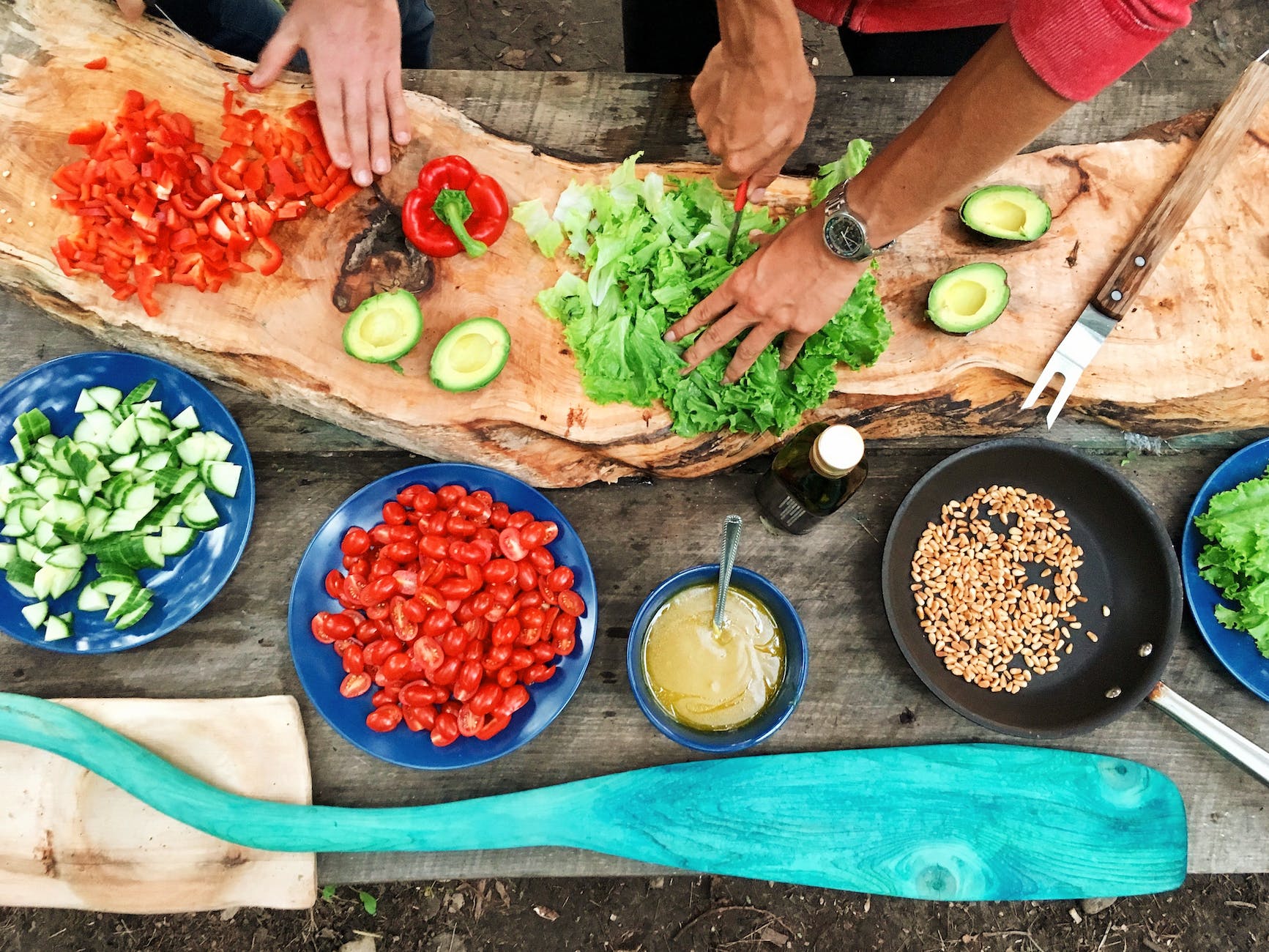
person slicing vegetables. A cooking class is something you can add to your life goals list.
Photo by Maarten van den Heuvel on Pexels.com
  1.  Be more active
  2.  Learn how to cook healthy and delicious meals
  3.  Start a business
  4.  Read more books and blog posts each week
  5.  Write every day (even if it’s just one sentence)
  6.  Do one thing for yourself every day
  7.  Stop procrastinating 
  8.  Make a vision board with pictures of your dreams and goals for the future
  9.  Be more grateful for all you have in life now
  10.  Learn something new. This could be anything from learning a foreign language to mastering a musical instrument
  11. Take up a hobby you’ve always wanted to try but didn’t have the time or money for yet
  12. Travel somewhere new and exciting (preferably somewhere off the beaten track).
  13.  Go on holiday with your friends or family – as long as it’s not just another weekend break!
  14.  Read a book every month
  15.  Cook dinner at least three times a week
  16. Take up a new sport or hobby
  17. Run a marathon or other race
  18. Visit another country (or several!)
  19. Learn how to speak another language fluently
  20. Learn how to code or program computers
  21. Teach yourself how to play an instrument (or several)
  22. Read 100 books in one year (or whatever number feels achievable!)
  23. Volunteer at an animal shelter or rescue organization for a week or more
  24. Go to yoga classes more often than once a month
  25. Try a new restaurant every month (or week!)
  26. Find time for reading every day (even if it’s just 15 minutes)
  27. Get better at using chopsticks (or learn how to use them)
  28. Take up knitting or crocheting (or both)
  29. Watch an old movie from your childhood that you’ve never seen before (and watch it with someone else who hasn’t seen it before either)
  30. Join an improv theater group, or start one at your school or workplace! Improv is great fun and helps with communication skills, creativity and teamwork — not to mention confidence and self-esteem!
  31. Make friends with someone new
  32. Completely redecorate your apartment/home office
  33. Spend a weekend without any electronics — no TV, computer, or phone — just time with people and nature (or whatever else brings you joy)
  34. Have one day per week when you don’t check email or social media during the day; be present with whatever needs attention at the moment (and then catch up later)
  35. Save money each month
  36. Travel to all 50 states in America
  37. Buy a high-end camera and learn how to use it well enough that you could make money with it someday (I want to make videos for my blog!)
  38. Start writing fiction stories and finish at least one novel before you die (maybe even publish it!)
  39. Learn to play the guitar
  40. Take a salsa class
  41. Get a pet fish
  42. Bake a cake from scratch
  43. Write a song and record it
  44. Learn how to do your nails with nail art designs (I have always wanted this skill!)
  45. Draw and paint with watercolors
  46. Learn how to ride horseback
  47. Learn to make soap and candles, or do it yourself at home!
  48. Get better at public speaking or storytelling.
  49. Skydive over the Grand Canyon, then hike and spend the night in it
  50. Take a class in something you’ve always wanted to learn — woodworking, cooking, sewing — anything!
  51. Go bungee jumping
  52. Create a bucket list of places you want to visit in your lifetime
  53. Learn how to juggle
  54. Go camping in the woods for the weekend (or longer).
  55. Watch all your favorite movies with someone who’s never seen them, and then talk about them afterwards!
  56. Write down all of your fears, then ask someone else what their biggest fears are (and see if there’s any overlap between yours!). Then try coming up with solutions for how you might overcome those fears!
  57. Learn to play the piano
  58. Stop drinking soda once and for all
  59. Go on an adventure every year (whether it’s hiking through Europe or just taking the train somewhere)
  60. Learn how to use Adobe Illustrator and Photoshop
  61. Get your finances in order (budgeting, debt payoff, savings, etc.)
  62. Write letters to people you love and send them by snail mail instead of email
  63. Organize your home office so that it’s more functional for you working from home (if that’s what you do)
  64. Donate money to charities at least once per month (even if it’s just $5)
  65. See a Broadway show in New York City
  66. See the Grand Canyon and Hoover Dam on a road trip through Arizona and Nevada (or any other state you can think of)
  67. Make it a priority to learn more about your family history by talking with relatives or looking through old photos and documents
  68. Get published in a magazine or newspaper
  69. Write a book of poetry or short stories (even if you don’t want it published)
  70. Get a library card
  71. Learn to cook at least one new recipe every week
  72. Watch every movie Quentin Tarantino has ever directed, written or produced
  73. Learn how to fly a plane
  74. Learn how to drive a stick shift (and do it!)
  75. Don’t buy anything for a year (except maybe food and necessities)
  76. Go on a cruise ship vacation
  77. Take a road trip with friends or family members who don’t live near you now — or who you haven’t seen much lately
  78. Build something from scratch (a cabinet or chair, for example)
  79. Organize an event at your local library, school or community center (like a book club or movie screening)
  80. Learn how to surf, skateboard, or snowboard
  81. Wear something outrageous in public just because it makes you happy!
  82. Make a budget and stick to it for three months straight – who knows? Maybe you’ll keep with it!
  83. Become a better listener
  84. Take more walks
  85. Make a bucket list of all the places you want to go before you die, and start crossing them off as you go along!
  86. Try something new that scares you every day for 30 days straight (e.g., public speaking)
  87. Write a letter to your future self and put it in a time capsule (or post it on social media)
  88. Sleep under the stars by a body of water or wherever there’s no light pollution so you can see constellations clearly
  89. Write yourself notes and put them somewhere where you’ll find them later when you need the reminder
  90. Go outside every day (or week)
  91. Get a tattoo of a word or phrase that inspires you – I have one that says enough!
  92. Host an evening at home with friends where everyone brings food they’ve cooked themselves and teaches others how to make it as well
  93. Get rid of stuff cluttering up your life and making it harder for you to focus on what’s important — clothes, furniture, knick-knacks etc
  94. Learn how to make homemade pasta from scratch
  95. Take an art class like painting or drawing or sculpting or pottery 
  96. Go on a silent retreat for peace and reflection
  97. Make a collage with pictures from magazines
  98. Get certified in CPR/First Aid/AED training
  99. Create your own board game or card game (and play it with friends)
  100. Write down something you are thankful for every night before bed

How do you know if your life goals list is complete?

The simple answer is that it’s never complete. The more complicated answer is that it’s never complete.

Life is a journey that requires constant updating, and we’re always adding new things to our life goals list as we go along.

One of the best ways to keep your life goals list growing and moving is to take advantage of the ideas that you’ve found. Look at your goals list each month and see if there’s an item or two you want to add. Grab those ideas for inspiration and use them to add new and exciting items to your life goals list.