Posted in Goal

Navigating the Challenges of Self-Growth: 5 Intimidating Challenges You Must Conquer

Embracing the transformational path to personal development


glass ball reflecting a person standing outside thinking about self-growth
Photo by Pixabay on Pexels.com

We often see self-growth heralded as this amazing thing that produces some magical transformation. 

But it’s not magic. It’s not immediate. And it’s different for everyone. 

Self-growth throws us hurdles and obstacles that we must overcome, while simultaneously unleashing emotions deep inside of us that we may have thought were resolved. 

If you’re in the process of self-growth and currently experiencing any of the following challenges, you are not alone.

5 Challenges of Self-Growth

The space in between 

On a self-growth journey, we inevitably reach a place where we realize that there is a gap between who we used to be and who we aspire to be. This is where we are becoming or transforming into a new version of ourselves. It can feel confusing and disorienting as things that once seemed to fit no longer make sense. 

Recognize that this in-between phase is temporary and embrace the discomfort, knowing that you will persevere. Even realizing you are in this place is a sign of progress. 

The identity crisis

To grow, we are shedding old layers of ourselves to make space for the new. We question our ideas, values, and beliefs and begin to take stock of what’s important in life. 

This can lead to questions about identity and figuring out what fits. Dig into your values. Dig into what’s important to you. Take time to reflect, journal, and practice gratitude as you shift your identity. 

Leaving people and places behind

As we change and grow, certain relationships, jobs, locations, and people may no longer be a part of the new version and vision. I heard someone say online the other day that we cannot truly move forward into our new reality if we still have one foot placed in the past.

The longer we hold on to things that no longer serve us, the more it prohibits us from reaching that next step on our path. Not everyone will understand what you’re going through and that’s okay. Not everyone is meant to be in your life forever and that’s also okay, though sometimes it’s hard. 

Not knowing what comes next

I’m a planner. I like to have goals, but I’m learning to embrace the here and now in this moment of uncertainty. This is where risk-taking comes into play. Not knowing can be scary and staying where you are can feel comfortable. But in order to experience the self-growth, it is necessary to explore new interests and experiences. 

Practice mindfulness to bring yourself back to the present moment. Even if we think we know what is going to happen in the future, we can’t be certain because so many variables are involved. 

Unlearning and relearning

A lot of people hold onto ideas and perspectives for a long time because that’s just how they always were. However, sometimes, it’s necessary to question existing habits and beliefs. 

It’s okay to hold a different viewpoint about something in the past and choose a new perspective moving forward. Habits and automatic thoughts are tough to break, but self-growth requires making those changes necessary for positive improvement. 

Continue on the path to learn and grow and be forgiving with yourself in spaces where you learn you can do better. Take it one step at a time. 


Check out more resources here: https://theheartworkhub.com/

Posted in Goal, Manifestation, productivity

Accountability Partner Definition: 5 Motivating Reasons Why You Need an Accountability Partner

Rewind to 2019, when I was about halfway through my doctoral program. My progress was slowing, and the task of completing my comprehensive exams and beginning to think about a dissertation topic seemed insurmountable. 

While chatting about this wave of overwhelm, a colleague referred me to the National Center for Faculty Development and Diversity. Our university had a membership, and I could use all its services for free. The site contains a myriad of helpful knowledge for graduate students and faculty members. 

But the most practical thing for me came from the option to be matched with an accountability partner. In the past, I had accountability partners for health and wellness goals but had never considered one for academic pursuits. 

It was the perfect time to test it out. 

I signed up and, much to my delight, was matched right away with a graduate student in Canada. Our backgrounds and experiences were very different, yet our commitment to support one another remained strong. I am fortunate now to consider my accountability partner a dear friend. 

At this new juncture of creating a solopreneur business and being self-employed, I realized (through a conversation with this dear friend) that I am once again in need of an accountability partner. 

photo of a laptop and a tablet on the table. Preparing for a meeting with an accountability partner.
Photo by Elvis on Pexels.com

Accountability partner definition and meaning

An accountability partner is a person you choose to work with voluntarily to help you accomplish your goals or maintain discipline in different aspects of your life. This trusted and supportive companion holds you accountable for your commitments, progress, and actions related to your objectives.

Their primary role is to motivate, encourage, and provide constructive feedback while ensuring that you stay on track and responsible for your goals and responsibilities. This partnership should be based on mutual trust and a shared commitment to personal or professional development. You don’t necessarily have to be working on the same exact goal, but it’s helpful to be in the same niche/discipline/genre.

Here are 5 reasons why an accountability partner can be your best asset:

  1. Consistency – Meeting with an accountability partner weekly or every other week builds consistency into your routine. Having something to report or check in helps you consistently reach your goals. Recently, I’ve also been exploring “The Rule of 100” by Alex Hormozi and believe having a partner to check in with can help you stay the course of your 100 days. 
  2. Motivation – Having someone cheering you on can be a great source of inspiration. When I was going through a tough time, my accountability partner was always there for me, rooting for my success. It’s also great to have someone to share your achievements with. You can check out the Medium Weekly Goals and Wins publication to share your own goals and successes.
  3. Better problem-solving – Discussing issues with a third party can provide fresh insights and potential remedies. They might suggest adjustments to your routine or introduce you to a useful technology that has aided their productivity. (Feel free to check out my Etsy store for problem-solving templates.)
  4. Positive peer pressure: Sharing your goals with someone else can create pressure to achieve them. Although there may be obstacles and detours, having to report progress every week can create a positive peer pressure to stay motivated.
  5. Clearer goals: To take action on your goals, they must be SMART(ER). When sharing them with others, it’s essential to break them down into understandable terms and actionable steps that can be achieved week by week. Making goal-setting a regular part of your accountability routine can be beneficial.

There are many positive benefits to having an accountability partner. It made a world of difference as I was pursuing my doctorate. 

So consider bringing someone on your journey and help each other reach your goals in life!

Posted in Goal

What is Blue Zone living?: Perhaps my New Way of Living

An introduction from my friend to this concept

a plate of healthy food items
Photo by Brooke Lark on Unsplash

Perhaps you’ve seen the advertisement on Netflix and wondered, “What is Blue Zone Living?”

Last week, I was cooking homemade meals with one of my dear lifelong friends from graduate school. Juggling life, work, PureBarre classes, and 4 kids, and yet she makes dinner look like a piece of cake. Except, a healthy piece of cake. 

Here I am just fending for myself and it’s a whole process if I decide I want to make things from scratch. 

Look at this gorgeous plate of homemade sourdough, hummus, chickpea, and cucumber salad!

sourdough bread, hummus, chickpea salad. The bread was adapted from the Blue Zones cookbook.
picture of our homemade dinner

During our visit, she introduced me to the concept of Blue Zones. Researchers travelled around the world to determine the locations where people live the longest. The term “Blue Zones” originated in 2004 by Dan Buettner, who worked for National Geographic as a fellow and journalist. He, along with a team, analyzed data related to longevity as well as life satisfaction.

Where are the Blue Zones?

After comparing various factors that affect life expectancy, they identified five places which they refer to as Blue Zones. You can check out their website for more information.

The locations are:

  1. Ikaria, Greece
  2. Loma Linda, California
  3. Sardinia, Italy
  4. Okinawa, Japan
  5. Nicoya, Costa Rica

Have you ever been to any of these places? I have not YET!

The website is full of amazing resources and information about utilizing the lessons learned from these locations and incorporating them into your life. They have a four-week plan toward a better you. This speaks to me because it’s not a diet or fitness plan. It’s truly about embracing a healthy lifestyle. 

What is Blue Zone Living then?

Researchers Gianni Pes and Michael Poulain explored Sardinia and drew blue circles to show areas of longevity. These are areas that Dan Buettner identified as Blue Zones. You can read more about the history here.

Through their research they compiled 9 lifestyle habits that they call the Power 9. Some of the 9 habits include moving naturally, stopping eating when you are 80% full, and belonging to a faith-based community. I encourage you to check out their site to learn more!

The current Netflix documentary is very popular right now and still lies in the top 10 US shows. I can’t wait to finish watching it and learn how to apply these principles to my life on my healthy living journey.

Blue Zones Recipes

When I was at my friend’s house (Dr. Kait Knake of Kait’s cupboard), we went through the recipe book and adapted ideas from there. 

I tried to get the book from my local library, but they don’t have it. So I guess I’ll have to get the book on Amazon here (affiliate link). 

Posted in artificial intelligence, the future of work

Learning to Use Midjourney: 3 Things I was Excited to Learn

An AI art platform

Sticker image generated by author using MidJourney

Do you know how to use Midjourney?

The other night, I was hanging out with a friend, and I was telling her about my new projects on Midjourney. She then asked, “What’s that?”

You know how sometimes we can get so familiar with what we know that we assume others know it, too?

Well, it gave me pause to realize that maybe not everyone knows about Midjourney yet. 

As of July, Midjourney had around 15 million users, which, compared to the size of the 8 billion world population, is relatively small. 

So chances are, there are people in your life who have never heard of Midjourney. Including maybe you. 

Disclaimer: I’m not an expert, but I will share some of the things I’ve learned and am still learning with you here. 

What is Midjourney?

Essentially, it is a generative artificial intelligence (AI) program that takes prompts as inputs to create images. You tell it what you want it to create and out pops 4 different images. 

Is it free to use Midjourney?

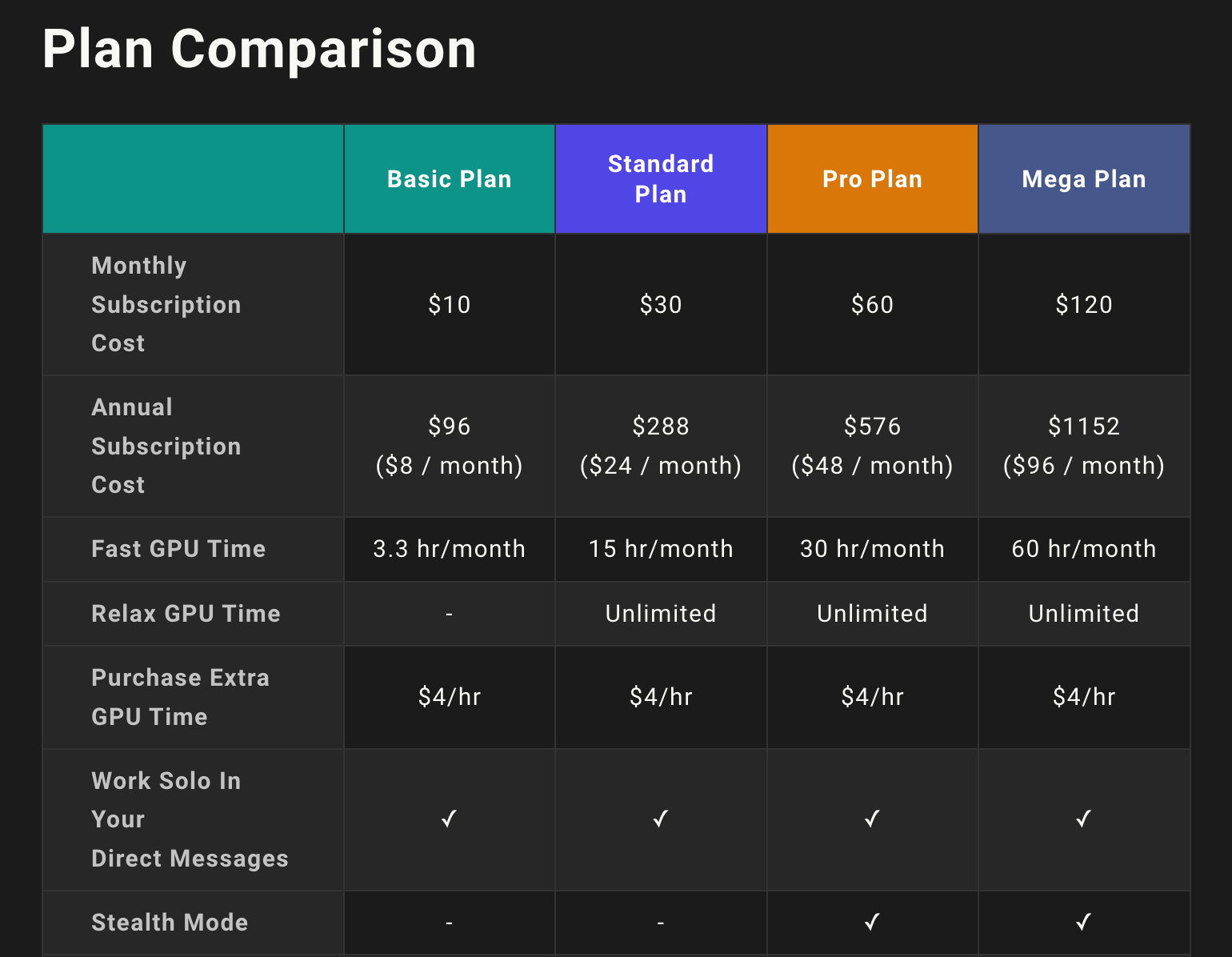
Yes and no. There is a free option with limited options, but I personally like using the basic subscription for $10/month. From there I can create images in my own chat discussion with the Midjourney bot.

plan showing the costs to use Midjourney, ranging from $10/month to $120/month
Screenshot of the Midjourney subscription plans

Let’s take a look at how it works:

When you open the discord server, you will be able to create prompts in chatrooms. You type /imagine …. followed by the prompt for your image.

Prompt: /imagine vintage green floral design with leaves and stem minimal white background clipart. 

4 boxes with green flower clipart
Screenshot of Midjourney output

After inputting your prompt, you will get 4 different image options to choose from. As you can see, it’s not perfect since I asked for a white background and one of the images does not have a white background. 

There are so many potential keywords and combinations that you can use. Once those 4 images are generated, you have the option to upscale the one you want to use, or create variations of your favorite one. 

four possible Halloween coloring book covers with pumpkins
screenshot of Midjourney output

The numbers correspond to:

Top left: 1, Top right: 2, Bottom left: 3, Bottom right: 4

Why do you need to upscale the images?

You may wish to use the image in a larger format or sell as clipart or on a printable. The importance of using a good upscaler is so that you don’t lose resolution are have it look to pixelated the larger it gets. 

From everything I’ve read and watched, Midjourney doesn’t currently have the option to upscale it enough to have that high quality. Therefore, a third-party upscaling site is usually recommended. 

3 things I was excited to learn about in Midjourney:

  1. You can change the aspect ratio to be landscape or portrait to match the goals of your image. Use two dashed and ar and then the ratio you are trying to achieve.
screenshot of ar prompt in Midjourney

2. Use brackets to create multiple images with the same prompt all in one command. Basically you create your prompt as you want it to be. This may take several test iterations. And then you use {book, pumpkin, broom, etc.}. Instead of having to copy and paste the prompt for each item, you can use the curly brackets and it will make all of them at once. 

Midjourney output of pumpkins and books

3. Use photorealistic and vivid imagery — the more you describe, the more detailed the image outcome is. Prompt from this list of “50 Midjourney Prompts to Create Photorealistic Art.

screenshot of Midjourney prompt and output of a waterfall 

I still have a long way to go before I’m an expert on creating AI art, but I’m excited to see where it takes me. 

Midjourney is just one of many platforms that can be used. Which one is your favorite?

Posted in Mindset

“What is Personal Growth? 5 Helpful Ways to Live Your Life to the Fullest

What is personal growth?

Personal growth refers to the process of continuous self-improvement, both in terms of one’s physical and mental well-being. It involves the development of new skills, knowledge, and perspectives that enable an individual to achieve their full potential and lead a fulfilling life. 

lady in beach silhouette during daytime photography. What is personal growth? It looks different for everyone and for this person, they are soaking in the sun and releasing anxiety.
Photo by Jill Wellington on Pexels.com

Personal growth requires a willingness to step outside one’s comfort zone, take risks, and learn from mistakes. 

It is a lifelong journey that requires patience, dedication, and a growth mindset.

Embarking on a journey of personal growth is essential for becoming the best version of ourselves. This journey involves various practices, such as releasing negative emotions, exploring new experiences, expressing gratitude, conquering fears, and strengthening resilience.

The journey is not easy, but well worth it. And it never ends. I intentionally began this journey two years ago and have had many changes in my thought patterns. And I’m still working on it and plan to be for the rest of my life. Follow me on Facebook here!

woman cooking with mountain and water background. She is on a personal growth journey.
Image generated by author in MidJourney

Letting go 

Letting go is an essential part of personal growth. It means releasing negative emotions like anger, resentment, and regret. It also involves accepting things we cannot change and focusing on what we can control. 

Releasing our attachments to certain things enables us to move forward and experience personal development.

What are some things we can let go of?

  • Jealousy: Feeling jealous of someone can be toxic and hold us back from achieving our goals. Letting go of jealousy can help us focus on our strengths and accomplishments. 
  • Guilt: Carrying around a heavy burden of guilt can be exhausting and prevent us from moving on from past mistakes. Forgiving ourselves and others can help us release this negative emotion and move forward. 
  • Fear: Fear is a natural human emotion but can also be paralyzing. Letting go of fear can help us take risks and pursue our dreams without being held back by what-ifs and worst-case scenarios. (something I’m very good at creating in my mind)

Try new things

One of the most important aspects of personal growth is seeking out new experiences. This involves stepping outside of our comfort zones and embracing fresh opportunities. 

Whether trying a new type of food, pursuing a new hobby, or embarking on a different career path or international adventure, taking risks and trying new things can help us broaden our perspectives and learn more about ourselves.

If you need help figuring out where to start, list things you enjoy or think you might enjoy. Be creative! 

Then, look on Facebook, local newspapers, and community groups to find people or events you can connect with. 

Practice gratitude

Practicing gratitude is a powerful tool for personal growth. It means recognizing and appreciating the good things in our lives, no matter how small they may be. Gratitude helps us to focus on the positive and maintain a positive outlook on life. It also allows us to develop stronger relationships with others.

Gratitude is an essential component of personal growth. When we express gratitude, we acknowledge the positive aspects of our lives and cultivate an optimistic outlook. This positive mindset enables us to focus on our strengths and find solutions to challenges that we may face. Gratitude also helps us recognize and appreciate the efforts of others, leading to stronger relationships and deeper connections. 

By practicing gratitude regularly, we can cultivate a sense of contentment and fulfillment in our lives, which can help us grow and thrive personally and professionally.

Check out the gratitude journal here!

Overcoming fears

Conquering our fears is an essential part of personal development. This involves confronting our fears and taking action despite them, whether speaking in public, skydiving, or starting a business. We can grow and gain more confidence in ourselves by overcoming our fears.

Last year I read a book called “Hello, Fears” and I highly recommend it. The author, Michelle Poler, shares her personal journey of facing and overcoming 100 fears in 100 days. Her vulnerability and honesty in sharing her fears and how she conquered them is truly inspiring. The book is not only entertaining, but it also provides practical tips on how to face and overcome your own fears. 

I found it to be a great read and beneficial for anyone looking to overcome their fears and live a more fulfilling life.

Building resilience

Building resilience is the final piece of the personal growth puzzle. It means developing the ability to bounce back from setbacks and challenges. Resilience helps us to maintain a positive outlook even when things don’t go as planned. It also helps us to develop a growth mindset, which is essential for personal growth.

My experiences taught me that life presents me with repeated lessons until I grasp the intended message. Once I comprehend the lesson, I am empowered to develop the strength to identify challenges and respond accordingly.

Final thoughts about personal growth

Personal growth is a journey that involves letting go of negative emotions, trying new things, practicing gratitude, overcoming fears, and building resilience. By incorporating these practices into our daily lives, we can become the best versions of ourselves and achieve our full potential. 

Personal growth can take many forms, depending on an individual’s goals and interests. Some common examples include developing new skills or hobbies, improving communication and social skills, setting and achieving personal goals, practicing self-care and mindfulness, and seeking new experiences and challenges. It’s important to remember that personal growth is a lifelong process; there’s always room for improvement and self-discovery. 

Is there a particular area of personal growth that you’re interested in exploring further?

Why not start today?

Join our supportive Facebook group where I share and document my personal growth journey – The Heartwork Hub Community. 


Please note that this blog post was optimized by using the paid subscription of Grammarly, which includes AI tools.

Posted in Mindset

Level Up Your Self-Improvement Skills: 5 Tips for Personal Growth

Let’s work on those self-improvement skills!

Are you tired of feeling like your self-improvement efforts have hit a plateau? Do you want to try something new and unexpected to take your personal growth to the next level? Although I’d love to say I’ve been on a self-improvement journey my whole life, I’ve been intentionally on this journey for just over two years now. 

But for now, here are 5 innovative tips that will help you boost your self-improvement skills and head toward success – however you define that for yourself. From embracing the power of “no” to investing in your hobbies, these are practical tips you may not fiind in your typical self-help book. So, let’s dive into these helpful self-improvement skills that have the capability to transform your personal growth routine.

But first, remember that this takes works and commitment. And don’t get discouraged if the process takes longer than you expect. Every little step forward toward connecting more with yourself is part of the process to boost your self-improvement skills. 

1. Become a Beginner Again

One of the most effective ways to boost your self-improvement skills is to become a beginner again. This may seem counterintuitive, but hear me out. When we start something new, we are filled with curiosity, enthusiasm, and a willingness to learn. We ask questions, experiment, and embrace failure as a natural part of the lear

ning process. However, as we become more experienced, we can lose some of that openness and willingness to learn. We may become complacent or overconfident, assuming we have mastered a skill or topic.

We can reignite that sense of curiosity and openness by intentionally seeking out opportunities to become a beginner again. This could mean trying a new hobby, taking a class in a subject you know little about, or even approaching a familiar task in a completely new way. By embracing a beginner’s mindset, you’ll be more open to new experiences, more willing to take risks, and more likely to make meaningful progress in your self-improvement journey.

So, if you want to boost your self-improvement skills, try becoming a beginner again. Embrace your curiosity, experiment, and don’t be afraid to make mistakes. By adopting a beginner’s mindset, you’ll be well on your way to achieving your goals and transforming your self-improvement routine.

2. Embrace the Power of ‘No’

Another way to boost your self-improvement skills is to embrace the power of “no”. Saying “no” can help you focus on your priorities and prevent burnout. It’s easy to say “yes” to every opportunity that comes your way, but this can lead to spreading yourself too thin and not making real progress on your goals. By learning to say “no” to things that don’t align with your priorities, you can free up time and energy for the things that truly matter.

Additionally, saying no can help you set boundaries and assert yourself. By being selective about the commitments you take on, you demonstrate that you value your time and resources. This can lead to increased respect from others and a greater sense of self-confidence. By saying no, you also create opportunities for growth and learning. 

3. Meditation: More Than Just Relaxation

woman meditating on rock - showing one way to level up your self-improvement skills
Photo by Felipe Borges on Pexels.com

Embracing a beginner’s mindset and learning to say “no” are both important steps in improving yourself, but they are not the only ones. Another powerful tool is meditation. Not only just a way to relax, but meditation can help you gain clarity and focus, reduce stress and anxiety, and improve your overall well-being. Let’s explore how meditation can enhance your self-improvement journey.

Meditation has been practiced for centuries, but it has recently gained popularity as a way to improve mental health and well-being. With its focus on deep breathing and mindfulness, meditation can help you quiet your mind and find inner peace. But meditation has many other benefits beyond relaxation.

One of the key benefits of meditation is increased clarity and focus. By practicing mindfulness and tuning out distractions, you can train your mind to concentrate on what’s important. This can help you stay on track with your goals and make progress towards them.

Meditation can also help reduce stress and anxiety. You can lower your cortisol levels and feel more relaxed by taking a few minutes each day to focus on your breath and quiet your mind. This can positively impact your overall well-being, as stress and anxiety can take a toll on your physical and mental health.

Just today, I did 30 minutes of yoga nidra, which is a mindfulness and meditation practice that I enjoy. 

Have you ever thought about trying meditation? Incorporating this into your daily routine can be a powerful tool for self-improvement.

4. The Benefits of Disconnecting

Incorporating mindfulness practices like meditation can significantly impact your mental and emotional well-being. However, it’s essential to take a break from technology every once in a while, too. Disconnecting from emails, social media, and other digital distractions can help you recharge and refocus. You can reduce stress levels and improve your productivity by taking time to disconnect. 

For me, I have to take baby steps when it comes to disconnecting. For example, I set a timer for 30 minutes and I will clean, read, or work on a specific task. I may still have some focus music on in the backgroun or working on my computer, but I turn off any additional distraction. 

5. Invest In Your Hobbies

Incorporating mindfulness practices into your daily routine is crucial for achieving self-improvement. Still, sometimes we need to take it a step further. Disconnecting from technology and engaging in our hobbies can help us achieve a more profound sense of fulfillment and happiness.

Investing in your hobbies provides a much-needed break from the digital world (if it’s a hobby outside of your digital tools). It helps you cultivate a sense of creativity and personal growth. Whether painting, cooking, woodworking, or gardening, dedicating time to activities that bring you joy and excitement can help you access a different part of your brain and improve your problem-solving skills. I love to paint and try new recipes! In order to level up my self-improvement skills, I’m taking a course about creating my own membership group. I love any opportunity to learn something new

Additionally, having hobbies outside work can offer a sense of balance, making you more productive and focused on your professional goals. So, take some time to explore and invest in your hobbies to see how they can positively impact your overall mindset and well-being.,

In conclusion, self-improvement can sometimes involve different techniques. By embracing the power of saying “no”, investing in your hobbies, disconnecting, meditating, and becoming a beginner again, you can enhance your self-improvement skills in unexpected ways. These tips will help you develop better habits, set smarter goals, and ultimately achieve success. Don’t be afraid to try something new and see the positive changes in your life. 

As the saying goes, “Life begins at the end of your comfort zone.”

Neale Donald Walsch

So take that leap and let these unexpected tips be the catalyst for your personal growth journey to level up your self-improvement skills!


Posted in Mindset

Why you should stop saying “I Can’t Afford It”

Have you ever found yourself saying, “I can’t afford it”? It’s a common phrase many of us use when faced with something we want but believe we can’t have. However, did you know that this negative money affirmation may be holding you back from financial success? In this article, we’ll explore the power of affirmations and how reframing your mindset can attract abundance and wealth into your life. You’ll also learn practical tips for attracting wealth and achieving financial freedom. So, let’s dive in and discover how changing the way we talk about money can make all the difference.

dirty pattern texture wall with the phrase happy to be me instead of something negative like "I can't afford it"
Photo by Eva Bronzini on Pexels.com

The Power of Money Affirmations

Saying “I can’t afford it” can have a detrimental impact on your financial well-being. This negative affirmation reinforces a scarcity mindset and limits your ability to see potential opportunities for abundance. On the other hand, positive affirmations can help to shift your mindset towards wealth and prosperity. By repeating affirmations such as “I am financially abundant” or “Money flows easily and freely to me,” you can reprogram your subconscious mind to attract wealth and abundance into your life. 

Research has shown that affirmations can have a powerful impact on our thoughts and behaviors (Johnson & Chang, 2019). The researchers found that money beliefs were significantly associated with financial behaviors, including spending, saving, and investing. By consistently repeating positive affirmations, you can begin to internalize these beliefs and see them manifest in your life. However, it’s important to note that affirmations alone are not enough to achieve financial success. You still need to take action towards your goals and make smart financial decisions. 

How Negative Affirmations Can Affect Your Finances

By saying, “I can’t afford it” or “I’ll never be rich”, negative affirmations can create limiting beliefs that prevent us from achieving financial success. These thoughts can become deeply ingrained in our subconscious and affect how we approach our finances.

Stop saying “I can’t afford it”

For example, suppose you consistently tell yourself that you’ll never be able to save enough money to buy a house. In that case, you may become resigned to renting and miss out on the opportunity to build equity and wealth through homeownership. Similarly, suppose you believe you’re inherently bad with money. In that case, you may need more motivation to learn financial skills or seek help from experts who can guide you towards better financial habits.

Changing how you think and talk about money can shift your mindset towards one of financial abundance and openness to new opportunities. 

Reframing Your Mindset for Financial Abundance

To truly break free from limiting beliefs that keep you stuck in a cycle of financial struggle, it’s important to reframe your mindset for abundance. This involves recognizing negative self-talk and consciously replacing it with positive affirmations. Instead of using phrases like “I can’t afford it,” try rephrasing as “I choose not to spend my money on that right now.” This slight shift takes you from feeling helpless to being in control of your choices.

low section of man against sky with broken handcuffs to symbolize breaking free from saying, "I can't afford it"
Photo by Pixabay on Pexels.com

With a mindset of openness and abundance towards money, you’ll be more receptive to opportunities for wealth-building.

Practical Tips for Attracting Wealth

The next step is to focus on the opportunities that surround you. Keep an open mind and stay alert to potential wealth-building prospects. This might include networking with successful people in your field, exploring side hustles or freelance work, or investing in stocks or real estate.

It’s also important to invest in yourself. Take courses or workshops that will increase your knowledge and skill set. This can lead to higher-paying job opportunities, promotions, or successful ventures as an entrepreneur.

Lastly, don’t be afraid to ask for help. Seek financial advisors or mentors who can provide guidance and support as you navigate your path to financial success.

With a mindset of openness and abundance towards money, you’ll be more receptive to opportunities for wealth-building. By implementing these practical tips, you’ll be on your way to attracting more wealth into your life.,

The way we talk about money can have a significant impact on our financial success. Negative affirmations, such as “I can’t afford it,” can keep us stuck in a poverty mindset. Reframing our language and focusing on abundance and wealth can attract positive financial opportunities into our lives. We can shift our financial reality by making small changes in our mindset and using positive affirmations. So remember, choose your words carefully regarding money, and watch the abundance flow. 

As Mahatma Gandhi said,

“Your beliefs become your thoughts, your thoughts become your words, your words become your actions, your actions become your habits, your habits become your values, your values become your destiny.”

-Mahatma Gandhi

22 Money Affirmations to Repeat Daily

  1. Money flows effortlessly into my life.
  2. It is my right to enjoy financial abundance and prosperity.
  3. I have the power to create wealth and financial freedom.
  4. I trust that the universe will always provide for me financially.
  5. I am grateful for the abundance of money in my life.
  6. Unexpected financial blessings are welcome to me.
  7. I am financially secure and stable.
  8. Every day, in every way, I am becoming more financially successful.
  9. I am worthy of being paid generously for my work.
  10. I am a magnet for financial prosperity and abundance.
  11. I am comfortable with money and love to see it grow.
  12. I am financially free to live the life of my dreams.
  13. I am always in the right place at the right time to attract money.
  14. My wealth and abundance are constantly increasing.
  15. I have a positive relationship with money.
  16. I am financially successful and fulfilled.
  17. I attract wealth and abundance effortlessly.
  18. Money is my friend and ally.
  19. I am capable of earning, saving, and investing money wisely.
  20. I am worthy of receiving financial blessings beyond my wildest dreams.
  21. Money comes to me easily and abundantly.
  22. I am grateful for the financial abundance that surrounds me.

Works Cited:

Johnson, M. K., & Chang, E. C. (2019). Money beliefs and financial behaviors: Development of the Money Beliefs and Behavior Scale (MBBS). Journal of Financial Counseling and Planning, 30(1), 18-33.

Posted in Mindset

Why Failure is Necessary to Succeed

Part 2 of the entrepreneurship series

Let’s talk about why failure is necessary to succeed.

Entrepreneurship has become the “it” career path for many, with success stories of Silicon Valley giants and overnight unicorns fueling the dream of creating something big out of nothing. Yet, most people don’t realize that behind every successful entrepreneur, there are likely countless failures and setbacks they had to overcome to get there. Failure is unavoidable in any entrepreneurial journey, whether it’s a failed product, a missed opportunity, or a bad decision. However, learning to embrace and learn from failure is often a critical component of success. 

photo of coworkers throwing pieces of paper to show why failure is a necessary part of success
Photo by Alena Darmel on Pexels.com

In this post, we’ll explore why failure is not only okay but also necessary for entrepreneurial success. We’ll delve into how it helps build resilience, gain valuable experience, cultivate a growth mindset, and overcome the fear of failure. So, get ready to learn why failure is the secret ingredient to entrepreneurial success.

Building Resilience

One of the key benefits of experiencing failure is gaining valuable experience. Every failure provides a unique opportunity to learn from mistakes and identify areas for improvement. By analyzing what went wrong and why, entrepreneurs can refine their strategies, processes, and products to increase their chances of success in the future. Moreover, these experiences can help entrepreneurs develop a deeper understanding of their industry, customers, and market trends, which can be invaluable in making informed decisions and staying ahead of the competition.

For example, Mark Cuban, the billionaire entrepreneur and Shark Tank investor, has famously said,

“I’ve learned that it doesn’t matter how many times you failed. You only have to be right once. I tried to sell powdered milk. I was an idiot lots of times, and I learned from them all.”

– Mark Cuban

Similarly, Sara Blakely, the founder of Spanx, has been open about her failures and how they helped her achieve success. In fact, she credits her early failures with giving her the skills and resilience she needed to launch her now billion-dollar business.

Ultimately, gaining valuable experience from failure is about turning setbacks into opportunities for growth and learning. Rather than being discouraged by failure, entrepreneurs should embrace it and use it as a catalyst for continuous improvement. By doing so, they can build the resilience and expertise they need to thrive in the ever-changing landscape of entrepreneurship.

Gaining Valuable Experience

As Mark Cuban and Sara Blakely have demonstrated, failure can be a valuable teacher for entrepreneurs. By recognizing their mistakes, analyzing what went wrong, and learning from those experiences, entrepreneurs can gain invaluable knowledge and skills that can be applied to future endeavors. This process of continuous improvement is fundamental to building a successful business.

black smartphone displaying error
Photo by Polina Zimmerman on Pexels.com

Ultimately, failure allows entrepreneurs to become better at what they do. Through trial and error, entrepreneurs can hone their skills, refine their strategies, and develop the resilience necessary to overcome obstacles and succeed. Entrepreneurs can cultivate the mindset necessary to thrive in today’s competitive marketplace by accepting failure as part of their entrepreneurial journey.

Cultivating a Growth Mindset

Having the right mindset is vital to achieving success as an entrepreneur. The best way to overcome failure is to cultivate a growth mindset, which sees failure as an opportunity for learning and growth. This mindset encourages entrepreneurs to take risks, try new things, and embrace the unknown confidently and optimistically.

To cultivate a growth mindset, entrepreneurs need to adopt several essential practices:

  1. They must be open to feedback and willing to learn from their mistakes.
  2. They need to have a strong sense of purpose that motivates them to persist in the face of adversity.
  3. They must be willing to take calculated risks and step outside their comfort zones.

By embracing failure as an opportunity for growth and cultivating a growth mindset, entrepreneurs can overcome setbacks and achieve tremendous success in their entrepreneurial endeavors.

Overcoming Fear of Failure

While failure may be a necessary part of entrepreneurship, it can also be incredibly scary. Entrepreneurs often fear failure, which keeps them from taking risks and pursuing their dreams. To overcome this fear, it’s important to remember that failure does not reflect your worth as a person or your ability as an entrepreneur. Instead, it’s an opportunity to learn and grow.

One strategy for overcoming the fear of failure is to focus on the process rather than the outcome. Instead of fixating on the possibility of failure and what it might mean for your business, focus on the steps you need to take to achieve your goals. Break your goals down into smaller, more manageable tasks and focus on completing each one to the best of your ability. Focusing on the process can take the pressure off the outcome and reduce your fear of failure.

Another strategy is to reframe your mindset around failure. Instead of seeing failure as something to be avoided at all costs, see it as an opportunity to learn and grow. Every failure is a chance to gather feedback, identify areas for improvement, and adjust your approach. By reframing failure in this way, you can reduce the fear associated with it and embrace it as a necessary part of the learning process.

In conclusion, failure is not the enemy of success in the entrepreneurial journey. It is a necessary component. As we’ve discussed, by embracing failure, we can develop resilience, acquire valuable experience, and cultivate a growth mindset. Failure can be the fuel that ignites our success. So, take risks, learn from mistakes, and keep moving forward.

Remember, as Winston Churchill famously said,

“Success is not final, failure is not fatal: it is the courage to continue that counts.”

-Winston Churchill
Posted in Mindset

Unlearn Unhelpful Behaviors: 7 Incredible Strategies

Do you have unhelpful behaviors that you want to shed quickly? You’re not alone. Unhelpful behaviors can be part of our daily lives, and sometimes they can be difficult to get rid of. Fortunately, there are incredible strategies available to help us unlearn unhelpful behaviors. However, it does take dedication and commitment to change.

Personally, I find it challenging to change long-standing behaviors and I have to actively work on it to continue to make the choices I want in my life. It’s a process everyday!

Here are 7 incredible strategies to help you on your journey to unlearn unhelpful behaviors!

Disclaimer: I am not a psychologist or therapist. I’m just sharing some things I find helpful that could help you too. Please use the advice at your discretion.

Identifying Unhelpful Behaviors

Identifying unhelpful behaviors is a critical step towards personal growth and development. Whether it’s procrastination, negative self-talk, or avoiding conflicts, these actions can hold us back from reaching our full potential. By recognizing the behaviors that keep us from success, we can start taking action to replace them with healthier habits.

It’s important to approach this process with self-awareness and empathy rather than judgment. Once we understand the root causes of our unhelpful behaviors, we can start to develop strategies to overcome them and create positive change in our lives. By the way, I’m a huge advocate of counseling and therapy and I’ve done my fair share of it. It’s helped me identify these behaviors so I know what to work on.

Connecting With Your Why

Connecting with your “why” is a key step in unlearning unhelpful behaviors. Understanding your motivations and the reasons behind your actions can help you to identify patterns of thought and behavior that may be holding you back. You can set clear and meaningful goals to drive you towards positive change when you know your why.

This process of self-reflection can also help you to develop a deeper understanding of your values and what is truly important to you, allowing you to prioritize your time and energy in a way that aligns with your goals and aspirations. By connecting with your why, you can cultivate a strong sense of purpose that will inspire and sustain you as you work to unlearn unhelpful behaviors and replace them with positive habits.

message on paper sheet on light surface. Positive afirmations can help you unlearn unhealthy behaviors.
Photo by Skylar Kang on Pexels.com

Use Positive Affirmations

Using positive affirmations is a powerful tool for unlearning unhelpful behaviors. Affirmations are positive and short statements that you repeat to yourself regularly. When you repeat these affirmations, you are effectively rewiring your brain to think more positively and empower you. This can help you to counteract negative self-talk and self-doubt and to replace unhelpful behaviors with more supportive and healthy habits. To get the most out of affirmations, making them specific, meaningful, and relevant to your goals and aspirations is important.

For example, instead of simply repeating, “I am confident,” you might say, “I am confident in my ability to overcome obstacles and achieve my goals.” Repeat your affirmations regularly, and try to integrate them into your daily routines and practices. With time and persistence, you’ll find that affirmations can help you to transform your thoughts and behaviors, and to unleash your full potential.

Model Successful People

Modeling successful people can be an effective way to unlearn unhelpful behaviors and adopt more positive habits. By observing and studying individuals who have achieved success in areas you’re interested in (this is key!!), you can gain valuable insights and strategies for overcoming your own challenges and reaching your goals. When you model successful people, it’s essential to focus on their habits, mindset, and behaviors rather than just their external accomplishments.

Look for patterns and principles that you can incorporate into your own life, and try to adopt the habits and practices that have helped others to succeed. Additionally, try to find role models who align with your values and goals and inspire you to be your best self. By modeling successful people, you can gain a roadmap for success and build the confidence and motivation you need to unlearn unhelpful behaviors and achieve your full potential.

Reframe Your Mindset

Reframing your mindset is an important step in unlearning unhelpful behaviors. Our thoughts and beliefs profoundly impact our actions and habits and can either support or hinder our progress. By reframing your mindset, you can shift your perspective and view challenges and setbacks as opportunities for growth and development. When you encounter obstacles, try to reframe them as lessons or stepping stones towards success.

Additionally, cultivate a growth mindset by embracing change and viewing failures as opportunities to learn and improve. When you reframe your mindset, you’ll be better equipped to overcome obstacles and unlearn unhelpful behaviors and cultivate a more positive and empowering outlook on life. Adopting a growth mindset will make you more resilient in the face of adversity and more likely to achieve your goals and live a fulfilling life.

Take action

Taking action is crucial in unlearning unhelpful behaviors and adopting new, positive habits. Merely thinking and talking about change is not enough; you must actively work to replace unhelpful behaviors with healthier and more supportive habits. This means setting clear and measurable goals, developing a plan of action, and taking consistent and persistent steps towards your desired outcome. Much easier said than done!

It’s important to start small and build momentum over time rather than trying to make too many changes too quickly. Celebrate your successes and stay focused on your goals, even when you encounter setbacks or challenges. Remember, progress is a journey, not a destination, and every step you take, no matter how small, is a step towards a better and more fulfilling life. So, take action today and start unlearning unhelpful behaviors, one step at a time.

Remain Focused

Remaining focused is essential to successfully unlearning unhelpful behaviors and adopting new, positive habits. The process of change can be challenging and requires patience, persistence, and discipline. It’s easy to become distracted or discouraged when slow progress or setbacks occur.

Still, staying focused on your goals and remaining committed to the process is important. Use visualization techniques to keep your desired outcome in mind and remind yourself why you started this journey in the first place. When you encounter obstacles, remain focused and determined.

Remember that every step you take is a step towards a better future.

Additionally, seek support and resources, such as a coach, mentor, or support group, to help you stay motivated and on track. By remaining focused, you’ll be more likely to successfully unlearn unhelpful behaviors and cultivate a more positive and fulfilling life.

Posted in Uncategorized

Solutions for online content creators after a full day at the computer

Hi my online content creator friends still doing the 9-5 grind!

90% of my work week at my full-time job is spent on my computer, staring at my screen and typing away. So when my work day ends, the last thing I want to do is stare at my screen even longer.

However, I persist because I have two very important goals:

  1. Build a completely digital income where I can live and work from anywhere.
  2. Make that income reliant on me and my online business ventures rather than having to report to a boss or supervisor.

Challenges and solutions for online content creators

Challenge: Burnout — working on a computer is mentally tiring and can be tough on the eyes.

Solution: I’m trying to take more breaks to stretch. I’ve also decided it’s important to go back to the gym and participate in group dance workout classes. They motivate me and get my body moving! I am also doing a daily stretching challenge with my friend, and we check in with one another.

ChallengeTime — does there ever seem to be enough time in the day to get it all done? Balancing household needs, personal tasks, friends and family, work, and a side hustle can be a lot.

Solution: Get more on top of my calendar and try to follow the 5-second rule from Mel Robbins. Essentially, if I think about it too long, I’m just wasting time. Count to 5 and go for it. And I also started putting my phone away from me at night to stop the nightly scrolling on social media.

person holding white light bulb. Aligning with the aha moment for online content creators.
Photo by Luca Nardone on Pexels.com

Challenge: Lack of inspiration or creativity — I have 155 drafts in my folder on Medium. So that’s not where the lack of inspiration is. It’s actually sitting down to write and finish a full article. Or making a Tik Tok video or YouTube video. Or posting a new digital product on my Etsy shop.

Solution: Choose a day and time to batch-create video content. I tried this out with Tik Tok last week and it worked great. I used ChatGPT to help me with short script ideas and filmed about 5 videos I released over a few days. However, I have so much existing content now that it’s time to repurpose and update. For example, I can post my Tik Tok’s to YouTube shorts. I can use RankMath to improve old blog posts for better SEO. I will use time blocking to work on digital products for the online stores.

I face other challenges as a full-time worker building an empire on the side, but these are the main ones I’m tackling now. Best of luck to you on your online content creation journey!